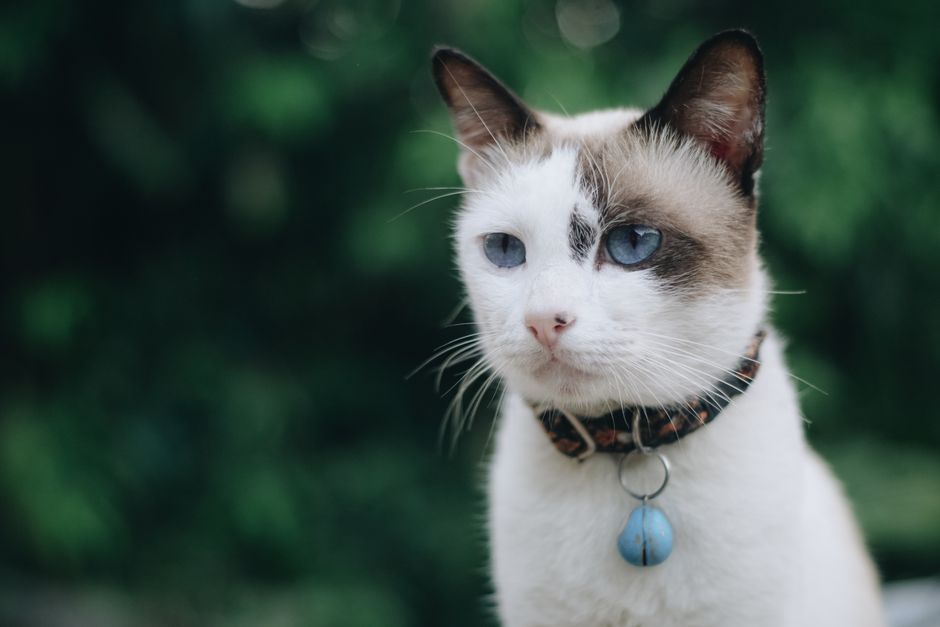
Pet Insurance for Champion Pedigree Dogs UK 2026
Owning a champion pedigree dog brings immense pride, but it also carries unique financial responsibilities regarding healthcare. Finding suitable pet insurance for champion pedigree dogs uk 2026 requires you to balance the need for high-end medical coverage with the reality of hereditary health risks. You are not just insuring a pet; you are protecting a high-value animal that may be prone to specific genetic conditions.
Standard policies often fail to address the nuance of high-status dogs, particularly those involved in showing or breeding. You need a policy that offers robust lifetime protection while clearly defining what is—and is not—covered regarding your dog's lineage and activity.
Comparing Top Providers for Pedigree Protection
When you compare your options, remember that "cheapest" is rarely the best indicator of value for a champion breed. The following providers are often cited by industry experts for their ability to handle the complex needs of pedigree animals.
Petplan
- Best For: Long-term reliability and complex claims.
- Key Feature: Comprehensive lifetime cover often reaching high annual limits.
- Verdict: Widely regarded as the industry benchmark for pedigree owners due to their high claim payout rates and long-standing relationships with veterinary practices. Agria
- Best For: Pedigree pets and breed-specific health needs.
- Key Feature: Strong ties to The Kennel Club and breed clubs.
- Verdict: Their policies are explicitly designed to support pedigree health, often following the dog from their very first days with a breeder. ManyPets
- Best For: Modern, digital-first flexibility and high coverage.
- Key Feature: A single annual excess structure that simplifies managing chronic illnesses.
- Verdict: Excellent for owners who want high benefit limits and a simplified excess structure to save money during long-term treatment.
Understanding the Hereditary Risk Premium
Your dog’s pedigree is a primary factor in how insurers calculate your premium. Many popular champion breeds, such as French Bulldogs or Golden Retrievers, have known genetic predispositions that lead to higher-than-average claim frequencies.
Last year’s figures showed that the average claim cost for all pets reached £685, but for specific pedigree breeds, this figure can be significantly higher. Insurers use actuarial data to determine the likelihood of expensive surgeries or lifelong medication. You should expect to pay a premium that reflects the specific health trajectory of your breed.
Be aware that insurers may apply breed-specific exclusions from the start of the policy. These exclusions mean that certain hereditary conditions, even if not yet present, might never be covered. Always read your policy document to see if these exclusions apply to your dog’s specific genetic profile.
The Unique Challenge of Breeding and Showing
A vital, yet often overlooked, distinction is the difference between a pet and a breeding or show animal. Most standard insurance policies are designed for domestic pets, not for dogs actively participating in professional breeding or competitive circuits.
If you use your champion for breeding, you face a major insurance gap. Standard policies generally exclude medical costs related to pregnancy, birth complications, or fertility treatments. You must disclose your dog's breeding or showing status to your insurer at the point of quote.
Failing to declare this status could lead to a claim being rejected later. Some specialist providers offer "breeding" or "show dog" endorsements that you can add to your policy for an extra fee. This extra cover is essential if you want to protect your investment in your dog's career.
Regulatory Changes and Market Shifts in 2026
The UK pet insurance market is undergoing a significant transformation in 2026 following interventions by the Competition and Markets Authority (CMA). These reforms are designed to improve pricing transparency across the veterinary sector, including mandatory price lists and capped written prescription fees.
While these changes aim to benefit you as a consumer, they have not yet caused a universal drop in insurance costs. The underlying trend of rising veterinary inflation remains a dominant force. Last year, ONS data indicated that veterinary service inflation reached 9.1%, which directly drives the rising cost of your annual premiums.
The industry is responding by offering more data-driven pricing, meaning your premium is more granular than ever. Insurers are increasingly using specific geographic and breed-level data to price your risk accurately. This makes it essential to compare quotes annually rather than simply accepting your renewal price.
Why is lifetime cover recommended for pedigree dogs? Champion pedigree dogs are often genetically predisposed to hereditary conditions. Lifetime cover ensures that the annual benefit limit refreshes every year, providing continuous, long-term financial protection for chronic issues that may emerge as your dog ages.
Do standard policies cover breeding-related health issues? Most standard policies specifically exclude complications arising from breeding, pregnancy, or whelping. If your champion is used for breeding, you must seek specialist coverage, as these are considered elective or non-standard risks by many general insurers.
How do the 2026 CMA reforms affect my policy? The Competition and Markets Authority (CMA) reforms introduced in 2026 focus on price transparency and prescription cost caps. While these measures aim to stabilise veterinary fees over the long term, they may lead insurers to refine their risk models, making accurate breed data more critical than ever.
What is the impact of breed-specific exclusions on premiums? Insurers often apply exclusions for conditions common to specific breeds, such as breathing issues in brachycephalic dogs. These exclusions, combined with the higher underlying risk, frequently drive premiums for champion pedigree dogs significantly higher than those for mixed breeds.
Should I consider a co-payment for my older pedigree dog? Many lifetime policies introduce a mandatory co-payment (typically 10% to 20%) once your dog reaches age seven or eight. While this increases your contribution to vet bills, it can help make the base monthly premium more manageable for senior dogs with chronic health needs.
Finding the right coverage for your champion requires thorough investigation into the fine print of hereditary and breeding-related exclusions. Do not settle for the first policy you find; ensure you compare the depth of coverage against your dog's specific genetic and career needs. You can compare tailored quotes today at UtterlyCovered.com to find the best value policy for your pedigree companion.
Andrew Myers is an insurance industry analyst and comparison specialist with 15 years' experience covering UK insurance markets. Data sourced from ABI, FCA, and ONS 2024-2025 reports.
Ready to Compare Pet Insurance?
Compare options from a range of UK insurers. No paperwork, no pressure.
About the author
UtterlyCovered Editorial Team. Content produced by UtterlyCovered for general information about UK insurance.
Questions or corrections? Contact us.