

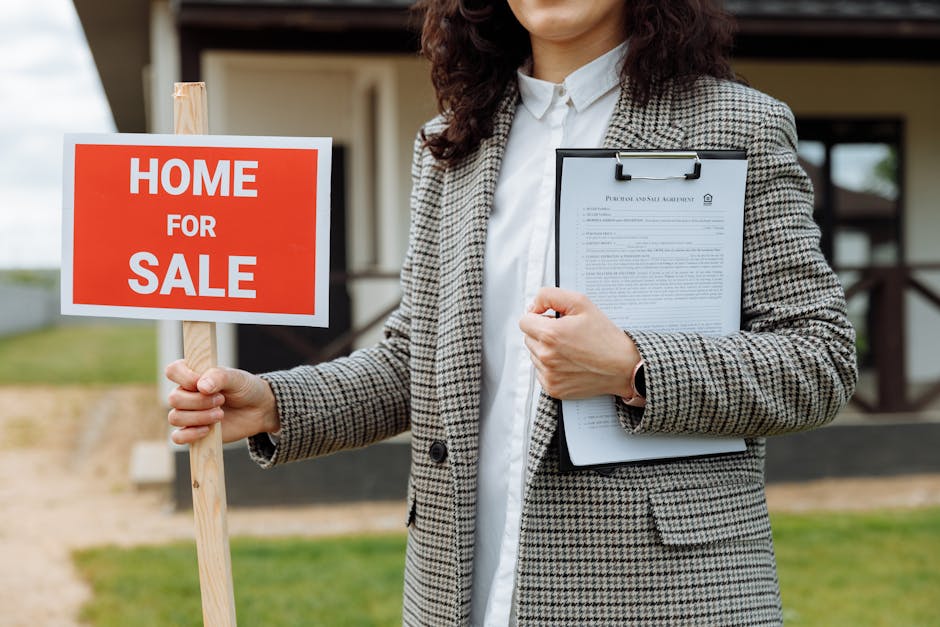
Home Insurance for a Property Being Used for a Pop-Up Shop UK 2026
Transforming a residential or empty space into a temporary retail venture is a cost-effective way to test your brand. However, standard household policies rarely account for the specific risks involved in commercial trade, meaning your current cover is likely insufficient. You must understand the implications of home insurance for a property being used for a pop-up shop uk 2026 to ensure you are not left financially exposed in the event of theft, injury, or property damage.
Comparing Insurance Options for Your Temporary Retail Space
When securing protection for a short-term venture, you are generally choosing between two primary paths. Your decision should be based on the duration of your lease, the value of your stock, and your specific liability needs.
Option One: Extending Existing Policies Some insurers allow you to add specific business extensions to existing policies if your venture is very small or low-risk. This is often the most cost-effective route for sole traders operating minimal, product-driven sales. However, this rarely provides the full liability coverage needed for a high-footfall retail environment. You must disclose the temporary change in property use to your insurer immediately. Failure to do so will almost certainly result in a rejected claim should an incident occur.
Option Two: Dedicated Commercial Insurance Specialist commercial policies are designed to cover the unique, transient risks associated with temporary tenancies. These policies typically bundle contents, stock, and fixtures cover with essential public and products liability. While the premium might be higher than a simple extension, the breadth of cover—including protection against accidental injury to third parties—is superior. For businesses with employees, an employers' liability component is a legal requirement, which standard home insurance will never provide.
Navigating Regulatory and Planning Requirements
Operating a pop-up shop in 2026 requires strict adherence to regulations, which directly impacts your insurance validity. Recent changes to planning laws have provided more flexibility, but the onus remains on the shop operator to ensure compliance.
Generally, you may not need formal planning permission if the space is used for retail or commercial purposes for less than 28 days in a 12-month period. However, your landlord must be aware of your usage, as their building insurance policy will almost certainly require notification. If the landlord’s building insurance does not cover pop-up retail, your own insurance claim could be complicated or denied if you are deemed to be occupying the space in violation of the head lease.
Furthermore, all businesses must be fully registered with HM Revenue and Customs and maintain full compliance with local licensing laws, particularly if your pop-up involves the service of food, drink, or alcohol. Operating in a non-compliant manner is a major red flag for insurers, who may void your policy if a claim arises and you cannot demonstrate full regulatory compliance.
The Critical Importance of Liability and Risk Mitigation
The most significant risk in any retail environment is the potential for third-party injury. If a member of the public trips or slips on your premises, you are liable for the consequences. This is why public liability insurance is the non-negotiable cornerstone of your coverage.
Public liability insurance covers you against claims for accidental injury or property damage sustained by visitors.
In the 2026 landscape, insurers are also scrutinising risk mitigation efforts more closely than in previous years. To keep your premiums manageable and your policy active, you should: Conduct documented risk assessments for your pop-up space before opening to the public. Ensure all electrical equipment has been tested and is safe for retail use. Clearly mark all exits and maintain clear walkways to prevent trips and falls. Verify that your stock values are accurately calculated, as the "average clause" in commercial policies can reduce payouts if you are found to be underinsured.
Dealing with the Rising Threat of Underinsurance
As you prepare your shop, do not fall into the trap of using guesswork for your stock and fixture valuations. Industry data reveals that a high percentage of properties—both domestic and commercial—remain underinsured in 2026, often due to owners confusing market value with the actual cost of replacement.
If you suffer a total loss and your policy limit is only 70% of the true value of your contents and fixtures, your insurer may only pay out 70% of the claim, forcing you to cover the shortfall personally. Given the record payouts recorded by the industry in 2025 and 2026, insurers are becoming increasingly strict about enforcing these limits. Always maintain an inventory log with receipts for your fixtures, stock, and equipment to ensure you have a defensible claim if the worst happens.
Does standard home insurance cover a property being used for a pop-up shop? Generally, no. Standard residential policies are designed for domestic living and will typically exclude coverage for business activities, especially retail operations involving customers and stock. Operating without informing your insurer can invalidate your entire policy.
What insurance covers do I need for a pop-up shop? You typically require public liability insurance to protect against third-party claims, employers' liability if you have staff, and specific trade contents cover for your stock and fixtures. Business interruption insurance is also recommended to cover lost income if the shop cannot trade due to an incident.
Do I need planning permission for a pop-up shop? Planning permission is often not required for temporary use under 28 days in a 12-month period, provided the space meets certain size and usage criteria. However, you should always check with your local authority and landlord regarding usage restrictions before opening.
Why is underinsurance a risk for pop-up shops in 2026? Underinsurance occurs when your coverage limit is lower than the actual replacement or rebuild cost. With rising material and labour costs in 2026, many business owners find their coverage insufficient, which can lead to reduced claim payouts under the 'Average Clause'.
How can I find affordable insurance for a temporary retail space? Start by contacting specialist brokers who understand the transient nature of pop-up retail. Compare quotes for short-term policies or consider adding specific business extensions to your existing cover, ensuring you do not compromise on essential liability protections.
Finding the right coverage for your temporary retail space is about balancing budget with the protection of your assets and personal liability. Given the record-high payouts seen across the UK insurance market in recent years, never assume you are covered by default. Take the time to assess your specific business risks and consult with a specialist broker to secure a policy that actually pays out when you need it most.
Andrew Myers is an insurance industry analyst and comparison specialist with 15 years' experience covering UK insurance markets. Data sourced from ABI, FCA, and ONS 2024-2025 reports.
Ready to Compare Home Insurance?
Compare options from a range of UK insurers. No paperwork, no pressure.
About the author
UtterlyCovered Editorial Team. Content produced by UtterlyCovered for general information about UK insurance.
Questions or corrections? Contact us.




