

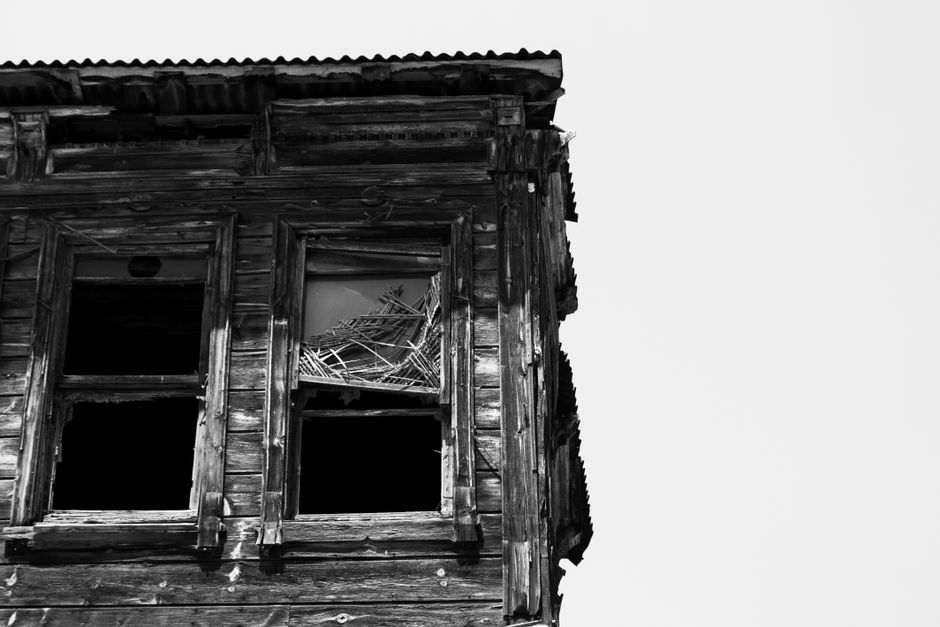
Home Insurance for Properties Prone to Dry Rot Outbreaks UK 2026
If you are searching for home insurance for properties prone to dry rot outbreaks in the UK 2026, you are likely discovering a difficult truth: standard residential policies are designed for the unexpected, not the inevitable. Dry rot is widely classified by insurers as a maintenance issue resulting from gradual decay, which places it outside the scope of almost every mainstream building policy. Even in 2026, with the home insurance sector facing significant profitability challenges, providers are increasingly strict about excluding non-accidental moisture damage to ensure they do not cover preventable neglect.
Understanding the Insurer's Perspective in 2026
In the current insurance market, carriers are under intense pressure to control their combined operating ratios. Last year’s figures showed that UK property claims reached a record £6.1 billion, driven by adverse weather and subsidence. Because of this, insurers are more sensitive than ever to risks that are perceived as "preventable".
The fundamental rule remains: insurance is for sudden, unforeseen events. If a burst pipe leads to a one-off water leak that causes immediate damage, your buildings insurance may cover the cleanup and resultant repairs. However, dry rot, or Serpula lacrymans, typically requires sustained moisture—often from rising damp, poor ventilation, or leaking external infrastructure—to take hold.
Because this process is slow and "silent," insurers argue that a proactive homeowner should have spotted the warning signs—such as a musty smell, darkening wood, or fungal mycelium—long before structural integrity was compromised. Consequently, if you fail to maintain your damp-proof course (DPC) or keep gutters clear, you are effectively self-insuring against the risk of rot.
Provider Comparison: Mainstream vs. Specialist Cover When looking for the right protection, it is vital to understand the difference between a standard high-street provider and a specialist broker. The following summary contrasts how these providers approach properties with dry rot risks. Mainstream Residential Providers (e.g., Aviva, Direct Line, Admiral):
- Focus: Designed for modern, well-maintained homes with standard risk profiles.
- Dry Rot Coverage: Generally excluded entirely.
- Best For: Low-risk, modern properties with no history of structural damp issues.
- Verdict: Highly competitive pricing, but no protection for rot-related decay. Specialist Property Care Insurers (e.g., Peter Cox, Rentokil):
- Focus: Specifically engineered to provide insurance protection against wood-rotting fungi.
- Dry Rot Coverage: Comprehensive cover including inspection, treatment, and structural reinforcement.
- Best For: Properties with a history of rot, older homes, or buildings with identified damp issues.
- Verdict: Higher premiums and stricter initial survey requirements, but provides the safety net that standard policies lack. Crucially, standard policies often include a general exclusion clause stating that damage caused by gradual deterioration, wear and tear, or rot is not covered. If you choose a standard provider, you must be prepared to fund all remedial work yourself should a rot outbreak occur.
Navigating Dry Rot in Heritage and Older Buildings
If you own a period or listed building, the challenge of securing coverage is amplified. Listed properties are governed by conservation law, meaning you have a legal "Duty to Restore". You cannot simply replace a historic oak beam with modern treated timber; you must use authentic materials and methods.
Standard policies often fail these properties because they are not designed to account for the "heritage premium"—the high cost of specialist labour and traditional materials. Furthermore, moisture damage in older homes can lead to dry rot much faster than in modern builds, particularly if the building fabric is not allowed to "breathe" properly due to modern, non-porous renovations.
In 2026, professional Rebuild Cost Assessments (RCAs) are essential for any older property. Relying on a standard valuation for a building with historical timber features is a significant risk. If you are underinsured, the "Average Clause" in your policy may allow the insurer to reduce your payout proportionally during a claim, leaving you to cover the shortfall.
Practical Steps to Prevent and Disclose
Since you are likely responsible for dry rot costs, your strategy must shift from insurance reliance to risk mitigation. Insurers expect to see proof of proactive maintenance, especially in 2026 when claims scrutiny is at an all-time high. Arrange Professional Surveys: Do not wait for an insurer to demand it. If you suspect damp, have a qualified surveyor assess the sub-floor and roof timbers. Maintain the "Envelope": Ensure your gutters, downpipes, and roof tiles are in perfect order. Moisture ingress from the exterior is the leading cause of timber decay.
- Ventilation is Key: Ensure underfloor voids and attics have adequate airflow. Stagnant, moist air is the perfect breeding ground for fungal spores.
- Transparency with Insurers: If you are applying for new cover, disclose any history of dry rot or damp proofing. Failing to disclose known issues can render your policy void if you ever need to make a future claim.
- Remember: A property that is well-maintained is significantly easier to insure, even with a history of past issues. If you can demonstrate that an outbreak was fully remediated by a certified contractor and provided with a 10-to-30-year guarantee, some providers may be willing to offer cover where they previously refused.
Is dry rot covered by standard home insurance in 2026? No, standard home insurance almost never covers dry rot. Insurers classify dry rot as a gradual, preventable maintenance issue rather than an insured peril, meaning the costs for treatment and timber replacement usually fall solely on the property owner.
Why do insurers refuse to pay for dry rot damage? Insurers distinguish between sudden, accidental damage—like a burst pipe—and gradual deterioration caused by moisture, poor ventilation, or lack of maintenance. Because dry rot develops over time due to high moisture content in timber, it is considered a homeowner's responsibility to prevent it.
Can I get specialist insurance for a property with a history of dry rot? Yes, specialist providers such as Peter Cox or specific heritage property brokers can offer cover for properties with a history of timber decay. These policies often require a professional survey and may include ongoing monitoring to underwrite the risk appropriately.
How much does dry rot treatment cost? Treatment costs vary significantly based on the extent of the damage. Simple surface repairs might range from £700 to £1,500, while moderate structural intervention for joists or subfloors can cost between £1,500 and £5,000. Major heritage or multi-room restoration projects often exceed £10,000.
Does dry rot affect my ability to get a mortgage? Yes, dry rot can impact your mortgage application. Lenders often require a specialist timber and damp report before approving a loan, and they may insist that remedial works are completed or professionally guaranteed before funds are released.
If your current home insurance policy does not provide the peace of mind you need regarding structural timber health, it may be time to reassess your provider. Compare your options on UtterlyCovered.com to see if you can secure a policy that better matches the specific needs of your property. Ensure you read the policy wording carefully to confirm what is—and is not—excluded before making your final decision.
Andrew Myers is an insurance industry analyst and comparison specialist with 15 years' experience covering UK insurance markets. Data sourced from ABI, FCA, and ONS 2024-2025 reports.
Ready to Compare Home Insurance?
Compare options from a range of UK insurers. No paperwork, no pressure.
About the author
UtterlyCovered Editorial Team. Content produced by UtterlyCovered for general information about UK insurance.
Questions or corrections? Contact us.




