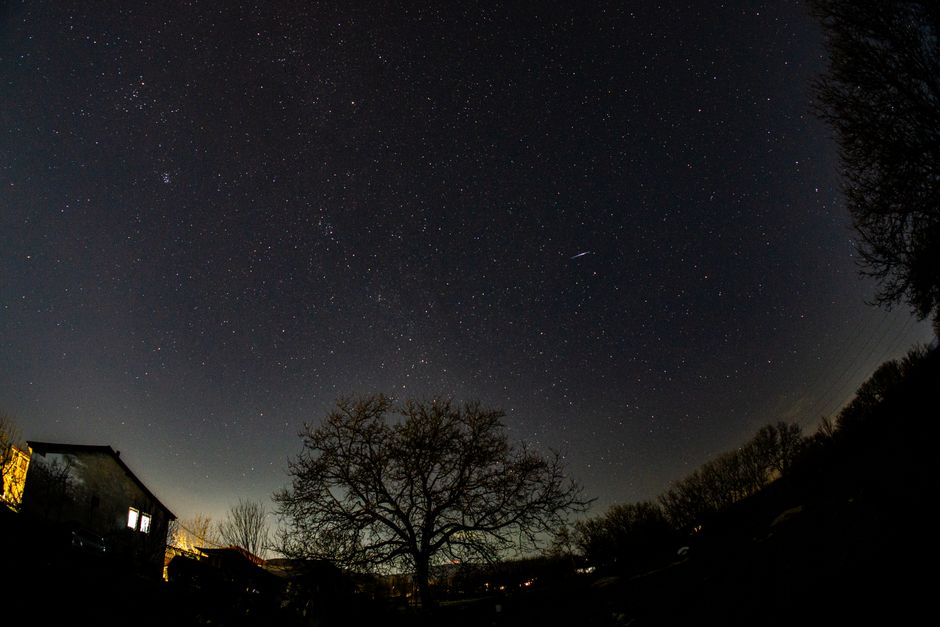
Does Home Insurance Cover Meteorite Damage UK 2026? You might wonder if your home insurance cover meteorite damage uk 2026 in the event of an astronomical anomaly. While the idea of a space rock crashing into your living room sounds like a plot from a sci-fi film, the financial reality for homeowners is actually much more grounded.
Most standard property policies in the United Kingdom include provisions that protect your home from "falling objects." This broad category is designed to capture unexpected debris, whether it originates from a storm, an airplane, or, in the rarest of cases, outer space.
Understanding Falling Object Coverage
Your standard buildings and contents policy is designed to handle sudden, unforeseen, and accidental damage to your property. Because a meteor strike is classified as an external impact, it generally falls under the umbrella of standard perils covered by your insurer.
Industry data suggests that the overwhelming majority of home insurance policies cover damage caused by falling objects as a standard feature. This means the structural repairs to your roof or walls, as well as the replacement of personal possessions destroyed by the impact, are typically handled by your insurer.
However, you must be careful with your terminology when reporting such an event. Insurers are accustomed to dealing with tree branches or storm debris, and a meteorite is simply the most extreme version of these accidental, external events.
Provider Comparison: How They Handle Rare Claims While the core protection remains similar, individual insurers may define "falling objects" slightly differently within their policy wording. It is helpful to see how major UK providers approach these types of unexpected structural damages.
Aviva
- Key Focus: Offers comprehensive protection for the structural integrity of your home.
- Standard Practice: Includes coverage for damage caused by impact, including falling trees or other objects.
- Best For: Homeowners looking for established, broad-spectrum protection.
Direct Line
- Key Focus: Provides strong cover for accidental damage to both buildings and contents.
- Standard Practice: Policies generally treat external impacts as insured perils, provided the cause is not specifically excluded.
- Best For: Those who want a straightforward, claims-focused experience.
Admiral
- Key Focus: Offers flexible add-ons for accidental damage and personal possessions.
- Standard Practice: Covers most unexpected impacts, with clear guidance on what is and isn't included in the fine print.
- Best For: Customers requiring customisable levels of protection for their home. Always remember that these providers base their premiums on risk assessments. While meteorites are statistically negligible, the cost of your policy is usually driven by more common, high-frequency events like storm damage, flooding, or subsidence.
Navigating Policy Exclusions
Even if your policy covers falling objects, you must look out for specific clauses that could complicate your claim. The most significant obstacle is the "Act of God" clause, or force majeure, which some insurers may cite for extreme natural events.
While a meteorite is a natural event, it is not always classified as an "Act of God" in the same way a hurricane or earthquake might be. The most vital step for any homeowner is checking the "exclusions" section of your specific policy documents.
Some policies may require you to prove the exact cause of damage. If your roof is damaged and you blame a meteorite, the insurer will likely investigate the debris to confirm the cause.
If the object is determined to be something else, such as falling construction debris, your claim will still proceed under the "falling objects" clause. Documentation is therefore your strongest tool during the claims process.
The Claims Process
If the unthinkable happens and your home is damaged by a space rock, your response must be immediate and structured. You must prioritise safety above all else, ensuring no structural hazards remain before you approach the damage.
Documentation is the single most important factor in securing a successful payout for an unusual claim. Before moving any debris or attempting temporary repairs, take clear, high-resolution photographs of the scene from multiple angles.
Keep a detailed record of the event, including the time and date of the impact. If you have security cameras or neighbors who witnessed the event, collect that footage or testimony immediately.
Finally, contact your insurer's claims department as soon as it is safe to do so. Mentioning that you have documented evidence and the specific nature of the damage will help the claims handler process your request efficiently.
Is a meteorite strike considered an Act of God? While often grouped with natural events, insurers rarely use the term "Act of God" anymore. Instead, they refer to specific, defined perils, and most policies cover external impacts regardless of whether the object fell from a tree or from space.
Does contents insurance cover meteorites? Yes, standard contents insurance covers your personal belongings against accidental damage caused by falling objects. If a meteorite pierces your roof and ruins your electronics or furniture, your contents policy should cover the replacement costs.
Do I need extra cover for falling objects? Typically, no, because falling objects are included in standard buildings and contents insurance. You should review your policy summary to ensure "accidental damage" is included, as this often broadens the scope of your protection.
What is the difference between buildings and contents cover? Buildings insurance covers the physical structure of your home, including roofs, walls, and fixed fittings. Contents insurance protects the items inside your house, such as your furniture, clothing, and appliances.
What should I do immediately after impact? Ensure your property is safe, then photograph the damage, gather witness information, and contact your insurer immediately. Do not attempt major repairs until you have spoken to your provider and received guidance on how to proceed.
You should not lose sleep over the risk of space debris, as it remains one of the most unlikely scenarios for any UK homeowner. However, understanding your policy's stance on falling objects is a smart way to ensure you are protected against the full spectrum of potential damages.
If you are unsure about the level of protection in your current agreement, it is worth reviewing your documents today. Visit UtterlyCovered.com to compare home insurance quotes and see how different providers stack up for comprehensive coverage.
Andrew Myers is an insurance industry analyst and comparison specialist with 15 years' experience covering UK insurance markets. Data sourced from ABI, FCA, and ONS 2024-2025 reports.
Ready to Compare Home Insurance?
Compare options from a range of UK insurers. No paperwork, no pressure.
About the author
UtterlyCovered Editorial Team. Content produced by UtterlyCovered for general information about UK insurance.
Questions or corrections? Contact us.