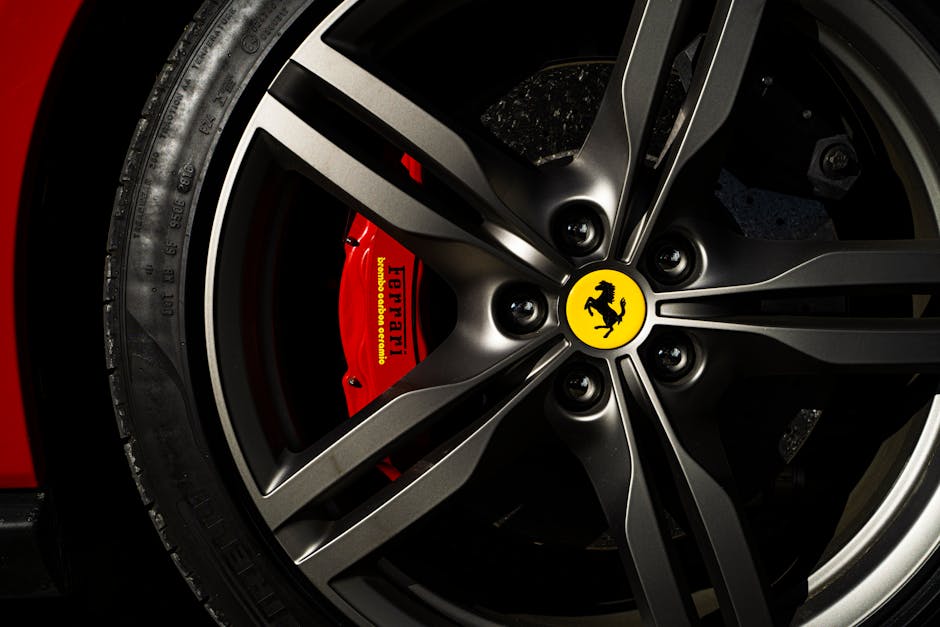
Potholes have become a relentless hazard on British roads this year, leaving many drivers facing sudden, expensive repair bills. If you have recently hit a road defect, you are likely looking for the most effective way to secure compensation for damage to your vehicle. Navigating the intersection of car insurance for wheel and tyre damage from potholes uk 2026 requires understanding whether to rely on your policy, the local authority, or a specialist product.
Comparing Your Compensation Options
When your vehicle suffers damage, you generally have three distinct paths to recover costs. Each has significant trade-offs regarding your premiums and the effort required to succeed.
-
Path One: Comprehensive Car Insurance
-
Coverage: This is the primary route for most motorists, as only comprehensive car insurance policies cover accidental damage to your own vehicle.
-
Pros: It is generally the fastest and most reliable method to get your car back on the road.
-
Cons: You must pay your policy excess, and because pothole damage is typically viewed as an "at-fault" claim, you risk losing your no-claims discount, which can spike your premiums for years.
-
Path Two: Direct Council Claim
-
Coverage: You make a claim against the local highway authority responsible for that specific stretch of road.
-
Pros: If successful, this process does not involve your insurer, meaning your no-claims discount remains entirely untouched.
-
Cons: Success is far from guaranteed; councils frequently use the Section 58 defence to prove they maintained a reasonable inspection regime. Industry data reveals that the vast majority of council claims are rejected, with some authorities turning down over 90% of requests.
-
Path Three: Specialist Alloy Wheel or Tyre Cover
-
Coverage: These are standalone insurance products or add-ons specifically designed to cover damage to wheels, tyres, and sometimes suspension.
-
Pros: They are created to protect your no-claims discount, often come with a much lower excess than standard car insurance, and pay out directly to repairers.
-
Cons: You must have the policy in place before the incident occurs; they do not cover pre-existing damage and are not a substitute for comprehensive cover.
Navigating the 'At-Fault' Claim Minefield
It is a common point of frustration for UK drivers that hitting a pothole is often categorised as an "at-fault" claim by insurers. Even though you did not choose to hit the defect, insurers argue that there is no third party against whom they can recover costs. This classification means that a single claim can cause your annual premium to increase significantly at the next renewal cycle.
Before you contact your insurer, you must do the maths. If the total repair bill for a buckled wheel or damaged suspension is only slightly higher than your excess, filing a claim is rarely financially sound. You are essentially paying to protect a discount that you will then lose, leading to a net financial loss over several years. Always request a quote from an independent garage first. If the repair cost is manageable, paying out of pocket might protect your long-term insurance costs.
Building a Successful Council Claim
If you choose to pursue the council, preparation is your most valuable tool. You are essentially acting as a legal investigator. Because authorities are legally required to maintain roads to a specific standard, you must prove they failed in that duty.
Start by gathering irrefutable evidence at the scene, if it is safe to do so. Take wide-angle photographs showing the pothole in the context of the road, and close-up images with a reference object—such as a shoe, a coin, or a tape measure—to prove the size and depth. Accurate location details, including road names and GPS coordinates, are essential.
You should also check if the pothole has been previously reported. Use tools like FixMyStreet or the council’s own portal to check for past complaints. If the council knew about the defect and failed to repair it within a reasonable timeframe, your chances of a successful claim increase dramatically. Keep every piece of paper, including mechanic invoices that specifically state the damage is consistent with pothole impact, to add weight to your submission.
Is Specialist Protection Worth the Cost? With many new vehicles now sold without spare wheels, or equipped with low-profile tyres that are highly susceptible to road hazards, specialist insurance products have gained popularity in 2026. Providers such as MotorEasy or ALA Insurance offer coverage that specifically targets these high-risk areas.
These policies generally cost around £40 to £100 annually, depending on the scope of coverage. They often include up to four claims per year and cover costs for replacement tyres or alloy wheel repairs that would otherwise exceed your main policy's excess. For drivers of premium vehicles with expensive alloys, the cost of one wheel replacement can easily reach £700, making these specific policies a logical safety net.
Does comprehensive car insurance cover pothole damage? Yes, comprehensive car insurance typically covers accidental damage to your own vehicle caused by potholes, including suspension, wheels, and tyres. However, you will usually need to pay an excess, and it may affect your no-claims discount unless you have protected it.
Do claims made directly to the council affect my no-claims discount? No, a successful direct claim against a highway authority generally does not affect your car insurance no-claims discount because it is not a claim made through your own policy.
What is the Section 58 defence used by councils? Section 58 of the Highways Act 1980 allows councils to defend against compensation claims if they can demonstrate they had a reasonable system of inspection and repair in place and were not aware of the specific defect.
Are specialist alloy wheel or tyre insurance policies worth it? These add-on policies can be cost-effective if you drive a vehicle with expensive alloy wheels or low-profile tyres, as they often have lower excess fees and protect your main no-claims discount.
Should I pay for pothole repairs myself or claim? If the repair costs are only marginally higher than your excess, industry data suggests it is often better to pay for repairs yourself to avoid losing your no-claims discount and facing higher future premiums.
Managing the financial fallout of our deteriorating road network is becoming a standard part of vehicle ownership in 2026. Whether you opt for a direct claim against the council or leverage your comprehensive cover, acting with evidence and information is the best way to keep costs down. Visit UtterlyCovered.com to compare the latest options and ensure your protection matches your real-world risks.
Andrew Myers is an insurance industry analyst and comparison specialist with 15 years' experience covering UK insurance markets. Data sourced from ABI, FCA, and ONS 2024-2025 reports.
Ready to Compare Car Insurance?
Compare options from a range of UK insurers. No paperwork, no pressure.
About the author
UtterlyCovered Editorial Team. Content produced by UtterlyCovered for general information about UK insurance.
Questions or corrections? Contact us.