

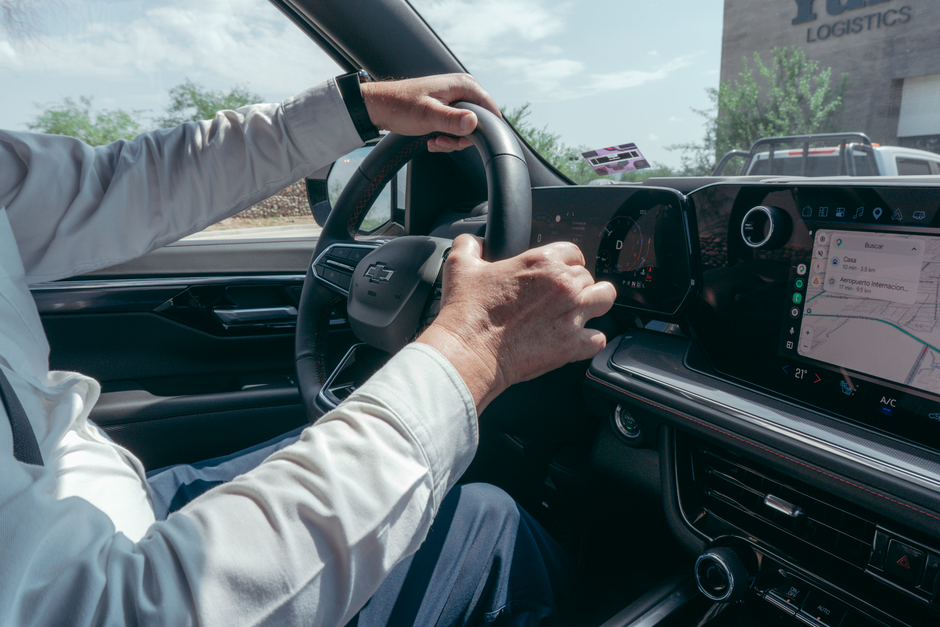
Car Insurance for Vehicles with Accessibility Modifications UK 2026
Finding suitable car insurance for vehicles with accessibility modifications in the UK 2026 market can be a daunting task. When your vehicle is adapted, it becomes more than just a means of transport; it is a critical piece of mobility equipment that demands specialised protection. Generic comparison sites often struggle to categorise these vehicles, treating accessibility ramps or hand controls like engine enhancements. This frequently leads to inaccurate quotes or, worse, a policy that might not cover your specific equipment if you need to make a claim.
You need a policy that understands the difference between a modification designed to improve functionality and one intended for speed. Navigating this requires a clear understanding of your specific needs, the legal requirements for disclosure, and the benefits of working with specialist brokers. This guide aims to help you secure the right cover without overpaying.
Comparing Your Insurance Options
The market for adapted vehicle insurance is split between mainstream providers and specialist brokers. While you might be tempted by the lowest headline price on a generic site, your priority must be the "like-for-like" replacement of your specific adaptations.
Specialist Brokers vs. Mainstream Providers
Specialist Insurance Brokers (e.g., Fish Insurance, Adrian Flux):
- Price Guide: Can be higher initially, but often provide better long-term value.
- Key Feature: Comprehensive cover for specialist equipment (hoists, hand controls, ramps).
- Best For: Vehicles with complex adaptations or those requiring specific mobility cover.
- Verdict: Often the most secure choice for avoiding disputes during claims. Mainstream Car Insurance Providers (e.g., Admiral, Aviva, LV=):
- Price Guide: Often lower for standard vehicles, but prices can spike once modifications are declared.
- Key Feature: Ease of access via standard online forms.
- Best For: Simple, factory-fitted, or minor adaptations where the replacement cost is low.
- Verdict: You must confirm in writing that they cover your specific adaptations; otherwise, you risk invalidating your policy.
Why Full Disclosure is Non-Negotiable
A common mistake drivers make is failing to fully declare all accessibility modifications to their insurer. You might worry that declaring a custom-fitted hoist or lowered floor will automatically drive up your premium. However, the risk of non-disclosure is far greater than any potential premium increase.
If you fail to disclose any adaptation, your policy can be declared void in the event of an accident. This means the insurer could refuse to pay out for your car, the adaptations, or even third-party claims. Under the Equality Act 2010, insurers are prohibited from discriminating based on disability, but they are allowed to price based on the increased risk or cost of repair.
When you contact an insurer, provide an itemised list of every change. Be prepared to specify: The type of adaptation (e.g., electronic vs. manual). The estimated cost of replacing the modification. Whether the adaptation affects the safety or performance of the vehicle. The details of the specialist installer who fitted the kit. Most insurers, especially those specialising in this area, will be perfectly comfortable with these details. Their focus is on ensuring they have the correct risk profile. Remember, failing to tell them is a breach of your contract.
The 2026 Market Context
Understanding the economic landscape can help you manage your expectations regarding costs. Throughout 2026, the car insurance industry has continued to grapple with the rising complexity of modern vehicles. As last year’s figures showed, repair costs remain a primary driver of premium increases.
The average motor insurance claim reached £4,900 in the second quarter of 2026, representing a 4% increase on the previous quarter. This is largely due to modern vehicles being packed with sensors, cameras, and advanced driver-assistance systems (ADAS). For adapted vehicles, this is particularly relevant. When a sensor or camera is part of your adaptation, the cost to recalibrate or replace it after a minor bump is significant.
Furthermore, industry data suggests that while premiums across the general market have remained relatively stable—averaging £566 in Q2 2026—this stability is delicate. Insurers are balancing the need for competitive pricing against the sustained high costs of parts and skilled labour.
One often-overlooked factor is your annual mileage. Many adapted vehicles cover fewer miles per year than the average driver. If you can prove your mileage is low—perhaps in the 5,000 to 7,000 range—you should explicitly highlight this to your broker. It is a legitimate way to potentially bring down your quote, as lower mileage statistically reduces the likelihood of being involved in a claim.
Do I have to pay more for insurance because of my disability? No. Under the Equality Act 2010, insurers cannot charge you more or refuse cover purely because you have a disability. However, they may adjust premiums based on the modifications required for your car, as these items are more complex and expensive to repair or replace.
What is "like-for-like" cover for adaptations? "Like-for-like" cover is a policy feature ensuring that if your adaptations are damaged, the insurer will pay to replace them with a comparable model or version. This is critical for adapted vehicles because generic settlement offers might not cover the specific cost of restoring the car to a drivable state for your specific needs.
Does my policy cover my wheelchair or mobility aids? Standard car insurance usually does not cover mobility equipment stored in your car unless specified. Check if your policy includes an "add-on" or specific clause for personal belongings, which should cover the cost of mobility aids (such as manual or powered wheelchairs) if they are lost or damaged during an incident.
How do I handle an "open" driving policy for my carer? If you rely on carers or family members to drive you, check if your policy allows for an "any driver" or "open" driving option. While this can sometimes be more expensive than naming specific drivers, it is often essential for peace of mind, especially if your care team changes frequently.
Why do some insurers refuse to cover my adapted vehicle? Insurers generally reject modifications if they lack the technical understanding to price the risk accurately. If you are turned away by a mainstream provider, it does not mean your car is uninsurable; it usually indicates that the provider’s underwriting models are not equipped to handle non-standard vehicle specifications.
Finding the right coverage is about peace of mind. By taking the time to compare policies that specifically acknowledge your adaptations, you ensure your independence remains protected. Use the comparison tools on UtterlyCovered.com to find providers who understand your specific requirements and can offer a genuinely tailored policy.
Andrew Myers is an insurance industry analyst and comparison specialist with 15 years' experience covering UK insurance markets. Data sourced from ABI, FCA, and ONS 2024-2025 reports.
Ready to Compare Car Insurance?
Compare options from a range of UK insurers. No paperwork, no pressure.
About the author
UtterlyCovered Editorial Team. Content produced by UtterlyCovered for general information about UK insurance.
Questions or corrections? Contact us.




