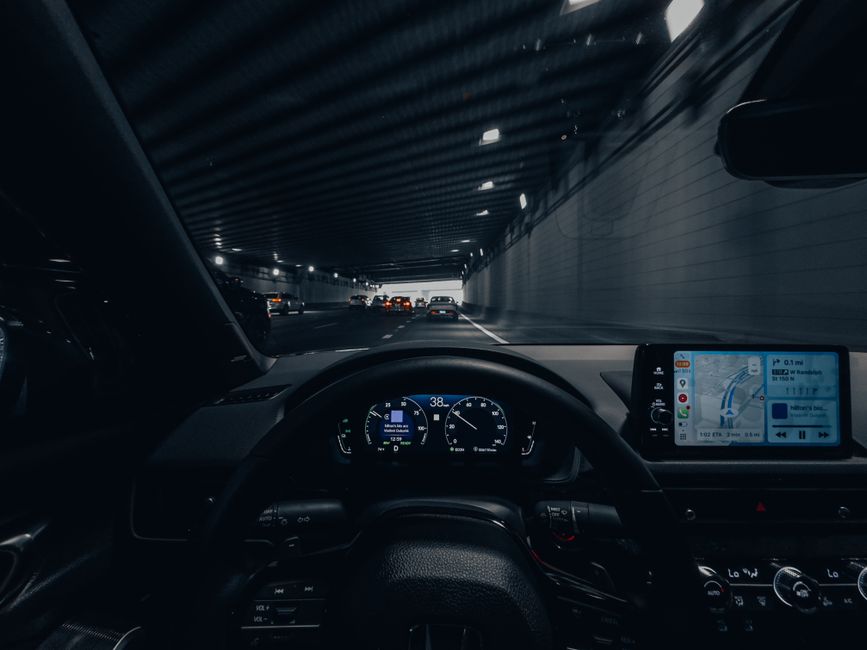
Car Insurance for Cyber Attack on Vehicle Systems UK 2026
Modern vehicles are essentially complex computers on wheels. As manufacturers integrate features like over-the-air updates and autonomous navigation, your car faces new digital risks. Finding reliable car insurance for cyber attack on vehicle systems uk 2026 is becoming a priority for motorists.
Traditional motor insurance often fails to account for modern, non-physical threats. You may find that standard policies cover physical collisions but ignore electronic interference. Understanding these emerging risks is essential for every UK driver today.
Provider Approaches to Connected Vehicle Risk
Major insurers are currently adapting to this rapidly evolving threat landscape. While few offer a standalone cyber policy for private cars, some leaders incorporate advanced digital risk assessments. Comparing these providers helps you understand their specific stance on high-tech component failures. axa: Historically a leader in advocating for cyber protection in motoring. They have publicly stated that driverless cars require dedicated cyber insurance to complement existing motor policies. lv=: Known for strong claims satisfaction and handling complex repairs. They are increasingly focused on covering the unique electronic requirements of modern vehicles and electric batteries. aviva: Offers flexible coverage that can be tailored for high-tech vehicles. They are highly competitive for drivers who require explicit cover for advanced driver-assistance systems. aa: While primarily known for roadside assistance, their insurance arm is adapting to digital vehicle diagnostics. They are an excellent choice if you prioritise integrated breakdown and recovery services. The most crucial takeaway is to verify that your chosen provider’s repair network is certified for your vehicle’s specific digital and sensor architecture.
Liability in the Age of Automated Driving
Legislation is finally catching up with the reality of digital vehicle control. The Automated Vehicles Act 2026 represents a major shift in how the UK manages car insurance liability. It effectively establishes the legal framework for vehicles operating in self-driving mode.
When a certified autonomous feature is active, liability often moves away from the driver. It transfers to the authorised self-driving entity, typically the manufacturer or the software developer. This is a significant change from the conventional driver-centric liability model.
If you are involved in an incident while the vehicle is in certified self-driving mode, your claim may be directed at the vehicle manufacturer rather than your personal policy.
However, this does not absolve you of all responsibility. You remain the "user in charge" when the system requires driver supervision. If you fail to resume control or misuse the technology, the liability can shift back to you.
Understanding the Growing Cyber Threat Surface
Connected vehicles are becoming software-defined products with an expanding attack surface. Infotainment systems, telematics units, and charging infrastructure all create potential entry points for malicious actors. Last year's figures showed that ransomware and malware remained key drivers of cyber insurance claims across all sectors.
The primary risk for your vehicle is "bricking," where hackers disable the entire computer system. This renders the car immovable and potentially unsafe. Beyond this, attackers might steal personal data from your linked apps, such as home addresses or phone numbers.
Your vehicle’s security is only as strong as its software update policy, which is why manufacturers are now mandated to maintain cybersecurity throughout the product lifecycle.
The Cyber Resilience Act is also reshaping how manufacturers build these products. It forces them to perform rigorous risk assessments from the design phase through to production. This regulation ensures that cybersecurity is a baseline requirement, not just an optional post-sale function.
Practical Steps to Enhance Your Vehicle Security
While you wait for insurance markets to offer comprehensive cyber policies, you must take proactive steps. Start by treating your vehicle’s infotainment system like a personal computer or smartphone. Never ignore manufacturer notifications for security software updates or bug fixes.
Consider these habits to reduce your exposure to digital risks:
- Secure your vehicle app: Use unique, strong passwords and enable two-factor authentication on all apps linked to your car.
- Limit vehicle connectivity: Disable features like Wi-Fi hotspots when they are not strictly necessary.
- Check for recalls: Stay informed about any cybersecurity-related recalls issued by your vehicle manufacturer.
- Limit keyless entry usage: Keep your key fob in a signal-blocking pouch to prevent relay attacks in your driveway. Proactive maintenance of your vehicle's software is currently your best defence against unauthorised remote access or system compromise.
These measures do not replace insurance, but they demonstrate responsible vehicle management. Insurers often look for proof of standard security measures before agreeing to cover complex or high-value modern vehicles. You should also ensure your primary insurance policy explicitly covers the recalibration of digital sensors.
Does standard car insurance cover a cyber attack on my vehicle? Most traditional policies do not explicitly cover cyber attacks or vehicle hacking. You must check your policy wording for specific exclusions related to software or malicious digital interference.
Who is liable if a self-driving car is hacked? Under the Automated Vehicles Act 2026, liability shifts to the Authorised Self-Driving Entity if the vehicle was in autonomous mode. However, if the user in charge failed to secure the system, they could retain responsibility.
What is the Automated Vehicles Act 2026? This landmark legislation regulates self-driving technology in the UK. It clarifies legal roles, assigns liability during autonomous operation, and mandates safety standards for software and hardware.
How can I protect my connected vehicle from cyber threats? Regularly install manufacturer software updates, use strong passwords for vehicle apps, and disable unnecessary connected features. Treat your vehicle’s digital interface with the same security caution as a computer.
Are electric vehicles more susceptible to cyber attacks? Electric vehicles rely heavily on complex, integrated software to manage battery systems and charging. This expanded digital surface area means manufacturers must prioritise robust, ongoing cybersecurity throughout the vehicle's life.
The risks associated with digital vehicle systems will only grow as technology advances throughout 2026. Do not wait for a security failure to find out your current policy is insufficient. Visit UtterlyCovered.com to compare the latest car insurance quotes and ensure you select a provider that values your digital security.
Andrew Myers is an insurance industry analyst and comparison specialist with 15 years' experience covering UK insurance markets. Data sourced from ABI, FCA, and ONS 2024-2025 reports.
Ready to Compare Car Insurance?
Compare options from a range of UK insurers. No paperwork, no pressure.
About the author
UtterlyCovered Editorial Team. Content produced by UtterlyCovered for general information about UK insurance.
Questions or corrections? Contact us.