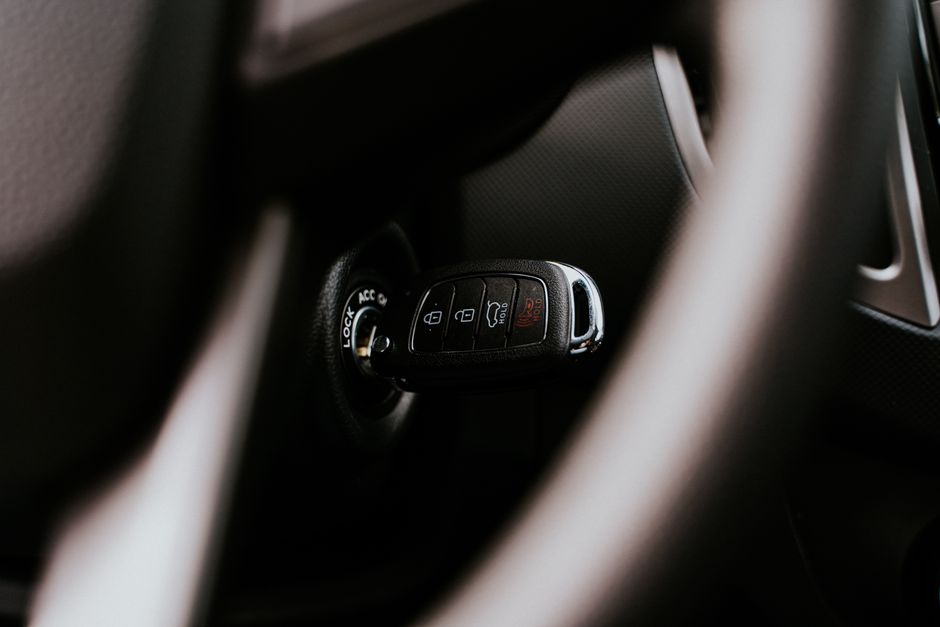
Car Insurance for Aftermarket Security Systems UK 2026
Modern vehicle theft is increasingly digital, with relay attacks and key cloning becoming standard tactics for criminals. Finding cost-effective car insurance for aftermarket security systems uk 2026 requires understanding that your security choices are no longer just about discounts; they are increasingly about securing coverage itself.
By investing in the right hardware, you may not only lower your annual premiums but also bridge the widening "insurability gap" for high-risk vehicles. Insurers in 2026 view security through a binary lens: as a way to earn a discount or as a strict, mandatory condition of your policy.
Understanding the Value of Approved Security
The most critical factor in your security strategy is ensuring that your chosen equipment is recognised by your provider. A device that is not professionally certified often holds zero value in the eyes of an underwriter.
Common Security Upgrades and Their Insurance Impact
Thatcham S5 Tracker
- Estimated Premium Reduction: 5% to 20%
- Key Feature: Automatic Driver Recognition (ADR) tags
- Best For: High-value, prestige, and luxury vehicles over £45,000
- Verdict: Often a mandatory requirement for comprehensive coverage on high-risk models Thatcham S7 Tracker
- Estimated Premium Reduction: 5% to 15%
- Key Feature: Reliable GPS tracking and recovery support
- Best For: Standard hatchbacks or older vehicles needing entry-level compliance
- Verdict: Excellent for basic recovery and meeting insurance mandates Ghost Immobiliser
- Estimated Premium Reduction: Variable (often tied to lower theft risk profiles)
- Key Feature: No visible fobs or signals; prevents CAN bus hacking
- Best For: Keyless entry vehicles vulnerable to relay attacks
- Verdict: A one-time investment with no ongoing subscription fees
Why Professional Installation is Mandatory
Many drivers mistakenly believe they can save money by installing a tracker or alarm themselves. In the eyes of a UK insurer, a DIY installation is a liability rather than a safety measure.
Professional fitting is non-negotiable for insurance validity. If you install the device yourself, the insurer cannot verify that it was fitted according to the manufacturer's strict safety standards.
A botched installation is considered a technical failure and a legal liability. Should your vehicle be stolen, an insurer may reject your claim entirely if you cannot provide a professional Certificate of Installation.
This certificate acts as the definitive proof required to secure premium reductions. It must include the device serial number, the engineer's accreditation details, and the vehicle's VIN.
Navigating Declarations and Policy Validity
A unique reality of the 2026 market is that not all insurers offer direct discounts for security devices, even if they mandate them. It is crucial to check your policy wording before making a significant investment.
You must declare any modification to your insurer. This includes simple upgrades like steering wheel locks or more complex installations like aftermarket alarms and trackers.
Failure to declare these changes, regardless of how minor they seem, is classified as 'non-disclosure'. The consequences are severe, often resulting in rejected claims and the invalidation of your cover when you need it most.
Speak to your broker before booking an installation to confirm if they accept the specific brand and category of hardware you are considering. Obtaining these requirements in writing provides the only guarantee that your theft cover will remain valid.
Will a Thatcham-approved device guarantee a cheaper premium? Not necessarily a guarantee, but it significantly improves your chances. While many insurers offer premium reductions of 5% to 20%, others may simply make the device a mandatory requirement for insuring specific high-value vehicles.
Can I install a security system myself to save money? DIY installation often voids both your warranty and your insurance coverage. Insurers typically mandate that security upgrades must be fitted by a certified professional to be considered valid, requiring a formal certificate of installation.
What happens if I don't declare my security modifications? Failing to declare any modification, including security upgrades, constitutes non-disclosure. This can lead to rejected claims, the invalidation of your entire policy, and significant financial loss.
Which Thatcham category should I choose for my vehicle? This depends on your vehicle's value and insurer requirements. S5 trackers are generally the gold standard for high-value and luxury cars, while S7 trackers often suffice for standard vehicles as an entry-level compliance measure.
Are there recurring costs for vehicle security? Some systems, like Ghost immobilisers, are a one-time investment. However, Thatcham-approved trackers typically require annual monitoring subscriptions, costing between £99 and £199 per year, which cover 24/7 control room support and police liaison services.
If you are unsure whether your current security setup is optimised for your policy, take the time to review your documents and compare your options. Visit UtterlyCovered.com to compare car insurance quotes and see if your security investments are yielding the savings you deserve.
Andrew Myers is an insurance industry analyst and comparison specialist with 15 years' experience covering UK insurance markets. Data sourced from ABI, FCA, and ONS 2024-2025 reports.
Ready to Compare Car Insurance?
Compare options from a range of UK insurers. No paperwork, no pressure.
About the author
UtterlyCovered Editorial Team. Content produced by UtterlyCovered for general information about UK insurance.
Questions or corrections? Contact us.