Life Insurance with Type 2 Diabetes: The 2026 UK Guide
Can you get life insurance with Type 2 diabetes in 2026? The short answer is yes. Thanks to advances in medical data, digital GP records, and more precise underwriting, many people with Type 2 diabetes can now access fairly priced life insurance—sometimes at near-standard rates.
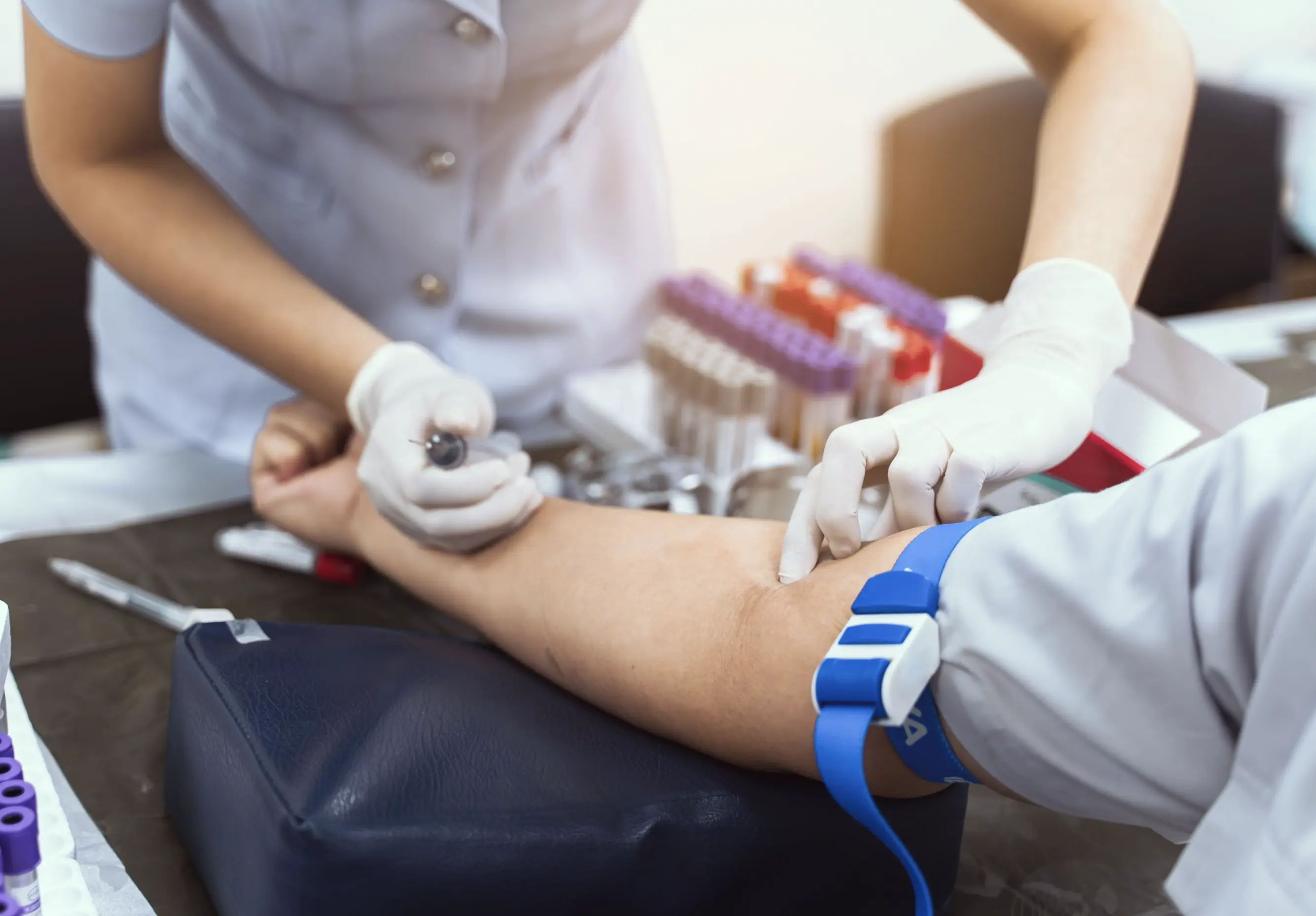
Key Takeaway: This guide explains exactly how UK insurers assess Type 2 diabetes in 2026, what HbA1c levels you need for the best price, and how to position yourself for a successful application.
How UK Life Insurance Underwriting Has Changed (2026 Update)
Risk Assessment Is Now Management-Based
UK insurers no longer rely on diagnosis alone. In 2026, underwriting focuses on how well your Type 2 diabetes is controlled over time, not simply the fact that you have it.
Underwriters will look for evidence of:
- Long-term blood glucose stability (HbA1c trends)
- Consistency of treatment (adhering to medication)
- Lifestyle management (BMI and activity levels)
- Absence of complications (such as retinopathy or neuropathy)
This shift has significantly improved approval rates for people with well-managed diabetes. For more on how insurers assess applications, see our comprehensive life insurance guide.
Do I Need a Medical Exam?
In the past, a diabetic application almost guaranteed a nurse visit. Today, many UK insurers request GP reports electronically, often through systems connected directly to the NHS.
For applicants, this modern "digital-first" approach means:
- Faster decisions (days instead of weeks)
- Fewer follow-up questions
- Less need for physical medical exams (unless your case is complex)
Will Type 2 Diabetes Affect My Premiums?
The cost of your cover depends heavily on your recent medical data. The most critical factor is your HbA1c reading (your average blood glucose level over the last 2-3 months).
HbA1c: The Numbers That Matter
Insurers prefer consistency over a single "perfect" result. Stable results over 12–24 months can significantly reduce premium loadings.
| Your HbA1c Level (mmol/mol) | Likely Insurer Decision | Impact on Premium |
|---|---|---|
| Below 48 (Excellent Control) | Standard terms likely | Minimal or no increase |
| 48 – 58 (Well Managed) | Accepted | Mild loading (+25-50%) |
| 59 – 85 (Moderate Risk) | Accepted with review | Higher loading (+75-100%) |
| Above 86 (High Risk) | Possible decline / Postpone | Decline or specialist insurer needed |
Does Taking Insulin Increase Premiums?
There is a common myth that being on insulin is an automatic "red flag." This is false. While insurers will ask about your medication (Metformin, Gliclazide, Insulin, etc.), they are more focused on stability.
If you are insulin-dependent but your HbA1c is stable and you have no complications, you are still highly insurable. Learn more about how costs are determined in our life insurance pricing guide.
Types of Life Insurance Available for Diabetics
1. Term Life Insurance
This remains the most affordable and widely available option. It covers you for a set period and is ideal for mortgage protection and family income replacement until children are independent. Read our detailed comparison: Term vs Whole Life Insurance.
2. Whole of Life Insurance
Available in 2026 for applicants with strong long-term diabetic control. Premiums are naturally higher because the payout is guaranteed, but it is a viable option for inheritance tax planning.
3. Critical Illness Cover (Important Note)
While Life Insurance is widely available, Critical Illness Cover is stricter for applicants with Type 2 diabetes. You may still get cover, but insurers may apply exclusions for cardiovascular conditions (heart attack/stroke) or vision-related claims. See our critical illness insurance guide for more details.
4. Over-50s Plans
These require no medical disclosure ("Guaranteed Acceptance"). However, they typically offer lower cover amounts. These should be a "Plan B," used only if traditional underwriting is unavailable to you.
How to Improve Your Approval Chances
Underwriters review patterns, not just numbers. To get the best price:
1. Know your numbers
Check your latest HbA1c and BMI before you apply.
2. Wait for stability
Applying immediately after a diagnosis or a medication change often leads to higher premiums. A stable period of 6–12 months works in your favour.
3. Check your GP records
Ensure your digital health records accurately reflect your current status (e.g., if you've quit smoking or lost weight).
For guidance on how much coverage you might need, try our life insurance calculator.
Frequently Asked Questions
Conclusion: A Fairer System in 2026
Life insurance with Type 2 diabetes in the UK has become more transparent, data-driven, and significantly fairer. In 2026, insurers prioritise long-term management and real-world outcomes rather than outdated assumptions.
With preparation and timing, most people with Type 2 diabetes can secure meaningful, reasonably priced life insurance cover—and often on far better terms than they expect.
See Also
Life Insurance Comparison
Compare life insurance quotes from leading UK providers
Affordable Life Insurance for Adults 2026
Discover how AI underwriting is making coverage more accessible
Term vs Whole Life Insurance
Understand the key differences to make the right choice
Critical Illness Insurance
Additional protection for serious health conditions
About the Author: Francesca Cloudy, FCA-registered insurance adviser with 15 years' experience analyzing UK life insurance policies. Data sourced from Legal & General, ABI, and ONS 2024-2025 reports.