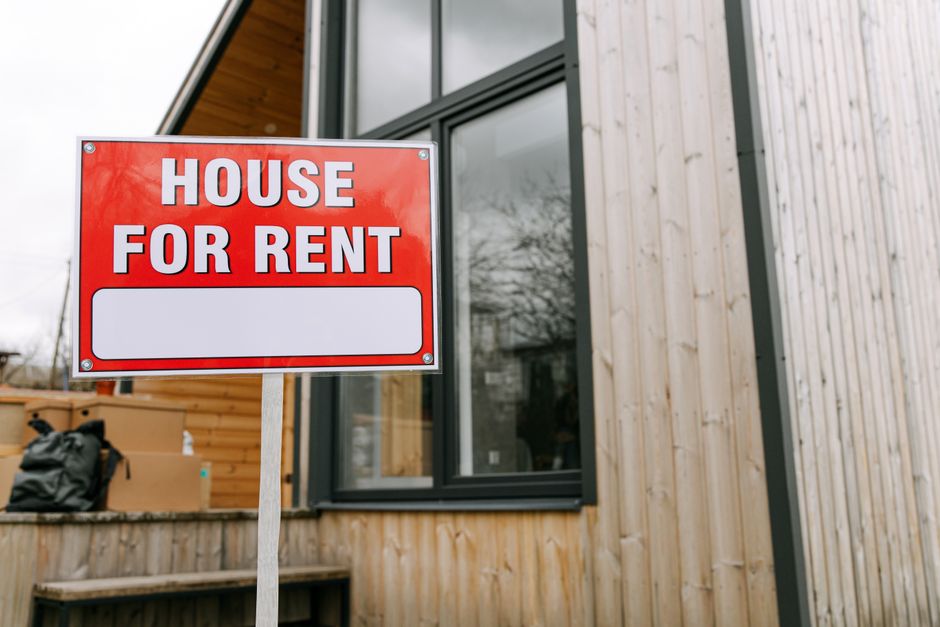
Quick Answer: While not legally required, contents insurance is strongly recommended for UK renters. Your landlord's policy won't cover your personal belongings—if there's a burglary, fire, or flood, you'd lose everything without protection. Policies start from around £5 per month in 2026.
Do I Need Contents Insurance if I Rent? A Complete UK Guide
Renting in the UK has become increasingly common, with over 4.6 million households now living in private rented accommodation according to ONS data. Yet a staggering 41% of tenants have no contents insurance whatsoever, leaving billions of pounds worth of belongings completely unprotected.
Here's the uncomfortable truth: if your rented flat floods tonight, or thieves break in while you're at work, your landlord's insurance won't pay for a single item you own. That laptop, your wardrobe of clothes, the television you saved months for—all gone, with no financial recourse.
This guide explains exactly what tenants contents insurance covers, whether you actually need it for your circumstances in 2026, and how to secure affordable protection without paying over the odds. We'll examine real costs, compare leading providers, and highlight the pitfalls that catch renters out every year.
What Is Tenants Contents Insurance and Who Needs It?
Tenants contents insurance—sometimes marketed as renters insurance—is a policy designed specifically for people living in rented accommodation. Unlike homeowners who need buildings insurance as well, renters only require cover for their personal possessions inside the property.
This type of policy protects against named perils including theft, fire, flood, storm damage, and vandalism. Many policies also include tenant's liability cover, which pays out if you accidentally damage the landlord's property—say, you drill through a water pipe or your bath overflows through the ceiling below.
Who genuinely needs it? Practically any tenant with belongings worth more than a few hundred pounds. Consider this: replacing just a bed, wardrobe, sofa, television, and basic kitchen equipment would cost approximately £3,500-£5,000 at 2026 prices. Add in clothing, electronics, and sentimental items, and most tenants own far more than they realise.
Students in university halls should check whether their institution provides automatic cover—many do through schemes like Endsleigh's university partnerships. Short-term renters, lodgers, and those in serviced apartments may need specialist policies, as standard tenants cover often excludes these arrangements.
How to Compare Tenants Contents Insurance Providers
When comparing policies, don't simply chase the lowest premium. Excess amounts, single-item limits, and exclusions vary dramatically between providers, and the cheapest quote often provides inadequate protection when you actually need to claim.
Key factors to evaluate include the maximum payout for individual items (typically £1,000-£2,000 for unspecified valuables), whether cover extends outside the home (for laptops, phones, and bikes), and the claims process reputation of each insurer.
| Provider | Monthly Premium (£25k Cover) | Single Item Limit | Accidental Damage | New-for-Old |
|---|---|---|---|---|
| Lemonade | £6.99 | £1,500 | Included | Yes |
| Legal & General | £8.45 | £2,000 | Optional (+£1.80) | Yes |
| Admiral | £7.20 | £1,500 | Optional (+£2.10) | Yes |
| Aviva | £9.30 | £2,500 | Included | Yes |
| Direct Line | £8.90 | £2,000 | Optional (+£1.50) | Yes |
Newer entrants like Lemonade and Urban Jungle have disrupted the market with app-based claims processing and flexible monthly policies without cancellation fees—particularly appealing to tenants who move frequently.
How Much Does Tenants Contents Insurance Cost in 2026?
Tenants contents insurance remains one of the most affordable types of cover available. For a standard one-bedroom flat in a relatively low-crime area, expect to pay between £60 and £120 annually for £20,000-£30,000 of cover—roughly £5-£10 per month.
Several factors influence your premium:
- Location: A ground-floor flat in inner-city Manchester might cost 40-50% more than a first-floor property in suburban Bristol
- Security measures: Approved locks, burglar alarms, and secure entry systems can reduce premiums by 10-15%
- Claims history: Previous claims, particularly for theft, will push prices upward
- Cover level and extras: Adding accidental damage, personal possessions away from home, or cycling equipment increases costs
ABI data suggests the average UK renter pays £92 annually for contents cover in 2025, with projections indicating modest rises of 3-5% through 2026 due to inflationary pressures on replacement costs.
What to Look For and Common Pitfalls to Avoid
Essential features to prioritise:
- New-for-old replacement (not indemnity, which deducts for wear and tear)
- Adequate single-item limits or the ability to specify valuable items
- Tenant's liability cover of at least £2 million
- Lock replacement cover if keys are lost or stolen
Pitfalls that trip up renters:
The biggest mistake is underinsurance—declaring £15,000 of contents when you actually own £25,000 worth. If you claim, insurers may apply 'average' and only pay a proportion of your loss. Conduct a proper inventory annually.
Many tenants assume standard policies cover bikes kept in communal hallways or gardens—they typically don't. Bicycle theft requires either specified cover or the bike to be secured inside your actual flat.
Finally, watch for 'unoccupancy' clauses. Most policies void theft cover if your property is empty for more than 30-60 consecutive days—relevant for tenants who travel extensively or return home for extended periods.
Expert Tips for Getting the Best Deal
Bundle strategically. Some insurers offer meaningful discounts if you add contents cover to an existing car insurance policy. Legal & General, for instance, provides up to 15% off for multi-policy customers.
Increase your voluntary excess. Raising your excess from £100 to £250 can reduce premiums by 10-20%, but only do this if you could comfortably absorb the higher amount when claiming.
Don't auto-renew blindly. Contents insurance premiums can increase by 15-25% at renewal without explanation. Always compare quotes before your policy ends—loyalty rarely pays in UK insurance markets.
Use cashback sites and discount codes. TopCashback and Quidco frequently offer £15-£30 cashback on new contents policies, effectively giving you several months free.
Review cover annually. Had a clear-out? Sold your expensive gaming PC? Adjust your cover level downward and pocket the savings. Conversely, if you've acquired valuable items, ensure they're properly declared.
Ready to Compare Home Insurance?
Compare options from a range of UK insurers. No paperwork, no pressure.
About the author
UtterlyCovered Editorial Team. Content produced by UtterlyCovered for general information about UK insurance.
Questions or corrections? Contact us.