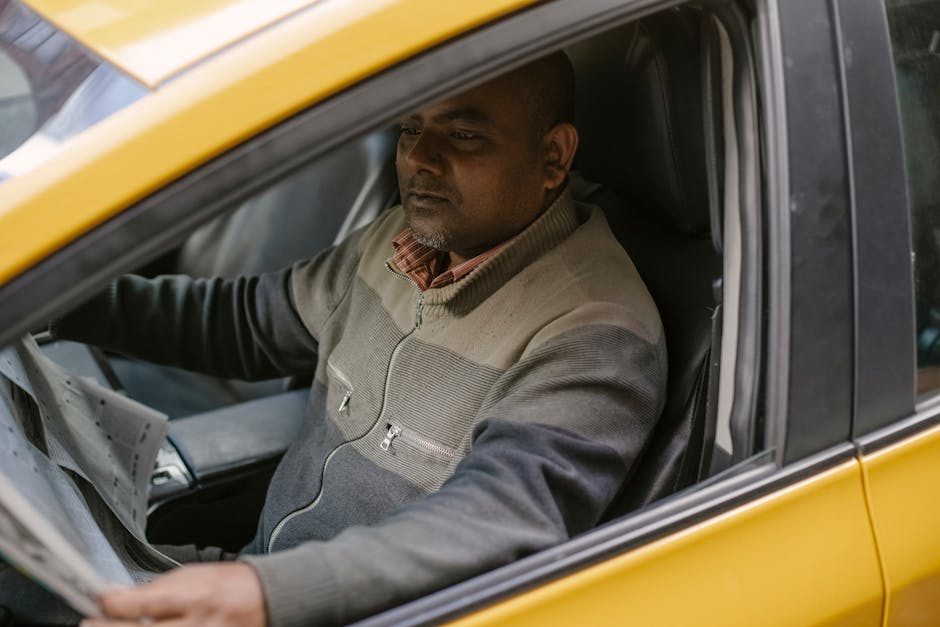
Specialist Car Insurance for Taxi Drivers UK 2026
If you rely on your vehicle for your livelihood, finding competitive car insurance for taxi drivers UK 2026 is not optional—it is mandatory. Standard car insurance will not suffice; you need specific Hire and Reward (H&R) coverage that accounts for the high mileage, urban exposure, and passenger liability inherent in professional driving. Ignoring the specific risks of the industry means risking your licence and your business.
Comparing Specialist Hire and Reward Providers
The UK taxi insurance market is dominated by specialist providers, rather than the general insurers like Admiral or LV=, who offer generic motor policies. These specialists focus on underwriting the unique, high-risk factors associated with carrying fare-paying passengers. This critical distinction ensures your cover remains valid when you need it most.
Annual taxi insurance typically ranges from £1,500 to £3,500 per year. The price you pay depends massively on whether you are classified as private or public hire. Private hire policies generally cost less than public hire policies.
Overview of Leading UK Specialist Taxi Insurers
| Provider | Best For | Key Policy Feature | Typical Coverage |
|---|---|---|---|
| Acorn Insurance | High-risk or convicted drivers | Longest-standing taxi specialist (40+ years) | Public and Private Hire, including fleets |
| Zego | Ride-hailing app drivers (Uber/Bolt) | Flexible 30-day rolling or annual cover options | Telematics-based pricing and fully digital management |
| INSHUR | Digital-first experience | Fast online quotes and policy issuance | Private Hire, strong focus on hybrid/EV component cover |
| Freeway | Traditional broker support | Add-ons like legal expenses and vehicle replacement | Wide range of taxi insurance options |
The providers listed above understand the complexities of local licensing requirements. When comparing, scrutinise the small print regarding cover for replacement vehicles, which is vital when your car is your income.
Understanding Public Hire vs. Private Hire Premiums
The most significant factor influencing your premium is the type of licence you hold: Public Hire or Private Hire (PHV). You must comply strictly with the licence granted by your local council. Operating outside your licence type, such as a PHV driver accepting a street hail, will invalidate your policy.
The Higher Risk of Public Hire
Public hire vehicles, often black cabs, are legally permitted to solicit fares directly from the public (street hails and ranks). This type of operation is statistically considered higher risk because passenger pick-ups are unplanned, routes are unpredictable, and there is no digital record of the customer before they enter the vehicle. Consequently, public hire car insurance premiums are typically higher.
The Lower Risk of Private Hire
Private hire drivers, including those working for apps like Uber, Bolt, and FREENOW, must only accept pre-booked journeys. Every journey is logged by an operator, creating an accountability trail that insurers favour. This traceability and more controlled environment result in a lower perceived risk and often a more competitive premium for private hire drivers.
Unique Insight: The rise of app-based ride-hailing has driven innovation in specialist insurance. Providers like Zego reward private hire drivers by using telematics to base renewal prices on actual safe driving, rather than just post-code and age, directly lowering the cost for disciplined PHV drivers.
Smart Strategies to Lower Your Taxi Insurance Costs
Securing affordable car insurance for taxi drivers UK 2026 requires a disciplined approach, especially considering the general market trend of rising claims costs. While standard motor premiums face upward pressure due to expensive EV and complex technology repairs, taxi drivers face this pressure compounded by high road exposure.
Managing Risk Factors
- Protect Your No Claims Bonus (NCB): A strong NCB is even more valuable in high-risk professions, leading to substantial discounts. Consider paying to protect your NCB, particularly if you have five or more years accumulated.
- Increase Voluntary Excess: Voluntarily agreeing to a higher excess amount signals to insurers that you are unlikely to claim for minor incidents. This will lower your upfront premium, but ensure you can afford the full combined excess instantly if a claim arises.
- Pay Annually: Monthly payment plans incur interest charges and administrative fees, potentially inflating your total cost by up to 20%. Paying the full premium annually is nearly always cheaper.
- Review Your Mileage: Accurately review your estimated annual mileage. While taxi work involves high mileage, underestimating is fraudulent, but ensuring the figure is precise avoids overpaying.
The Role of Telematics in 2026
Telematics policies are becoming mainstream for taxi drivers of all ages. For professional drivers, the data collected from black boxes or digital gadgets provides undeniable proof of low-risk behaviour, overriding high-risk postcode assessments. If you are a safe driver in a high-risk urban area, actively choosing a telematics-based policy can unlock substantial premium reductions.
Regulatory Focus on Professional Driver Coverage
The Financial Conduct Authority's (FCA) Consumer Duty, now fully embedded in 2026, places strict responsibility on specialist insurers to prove their products offer fair value. For taxi drivers, this regulatory focus is essential for ensuring clear documentation, better claims handling, and improved service quality.
The FCA expects firms to clearly communicate policy terms and ensure customers understand their cover, especially the difference between Private and Public Hire. Insurers must demonstrate that when a professional driver makes a claim, the process is handled promptly and transparently, as delays cost drivers their income.
Fair Value and Claims Handling
While the FCA’s pricing rules guarantee your renewal quote cannot be higher than a new customer's quote for equivalent cover, this only applies to the same provider. Given the projected loss-making status of the motor insurance sector, firms may raise overall prices in 2026 to manage rising claims inflation.
This means relying solely on the FCA's non-discrimination rules is insufficient. You must actively compare specialists to ensure you secure true fair value and reliable claims service, particularly concerning guaranteed replacement vehicles.
Why is taxi car insurance so much more expensive than standard car insurance? Taxi drivers face a significantly higher risk profile compared to standard private motorists. They spend far more time on the road, often driving high mileage in dense urban areas, and crucially, they carry passengers for hire and reward, increasing liability risk. This combination of factors drives the annual premium much higher, necessitating specialist underwriting.
What is the difference between private hire and public hire insurance? The distinction is based on how fares are acquired. Private hire insurance (PHV) is for pre-booked journeys only, typically through an app or operator. Public hire insurance (Hackney Carriage) is for drivers who can pick up passengers directly from the street or a taxi rank. Public hire policies are generally more expensive due to the higher, less predictable risk.
What is the average cost of annual car insurance for taxi drivers UK in 2026? Annual car insurance for taxi drivers UK 2026 typically ranges between £1,500 and £3,500, depending heavily on location, vehicle, and driving history. Private hire policies for drivers with clean records can average around £1,450 to £1,600 for annual cover, but this is subject to driver specific factors.
Can I use a regular comprehensive car insurance policy for taxi work? No, you cannot. Standard comprehensive car insurance only covers personal use. To legally operate as a taxi driver, you must have specialist hire and reward cover in place. Using a standard policy for commercial taxi work constitutes a breach of contract and will void your cover entirely, leading to severe penalties.
How does my driving history impact taxi car insurance premiums? A clean driving history, free of recent claims or driving convictions, is one of the most powerful ways to secure a lower premium. Specialist taxi insurers often provide significant discounts for drivers with a long No Claims Bonus (NCB). Conversely, points on your licence or fault claims will substantially increase the cost of your car insurance.
Professional driving is a high-risk profession, and your insurance must accurately reflect that risk. Do not settle for the first quote you receive, as specialists are constantly competing on price and policy features, such as 30-day rolling cover or telematics discounts. Secure your livelihood by comparing tailored, hire-and-reward quotes now on UtterlyCovered.com to find the best policy for your specific needs.
Andrew Myers is an insurance industry analyst and comparison specialist with 15 years' experience covering UK insurance markets. Data sourced from ABI, FCA, and ONS 2024-2025 reports.
Ready to Compare Car Insurance?
Compare options from a range of UK insurers. No paperwork, no pressure.
About the author
UtterlyCovered Editorial Team. Content produced by UtterlyCovered for general information about UK insurance.
Questions or corrections? Contact us.