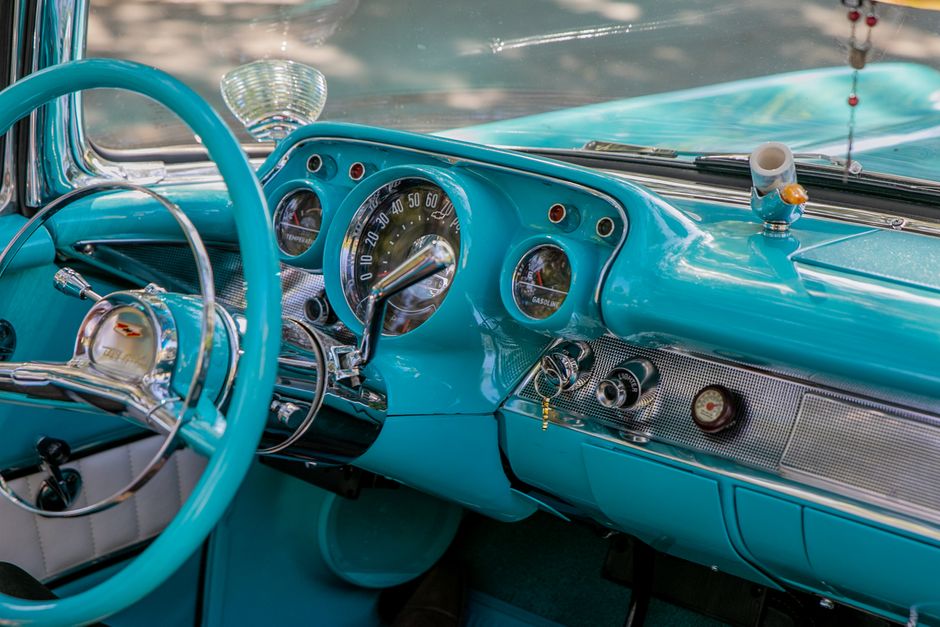
If you own a classic, custom, or comprehensively restored vehicle, relying on a standard car insurance policy is a significant financial risk. Following a total loss, a mainstream insurer's market value calculation can often leave you with a payout far below the true cost of restoration or replacement. This problem highlights why understanding car insurance for restored vehicles uk 2026 is essential for safeguarding your investment, as it bypasses the depreciation models used by most major providers.
A specialist policy is designed to ensure you receive a fixed, predetermined lump sum if your cherished vehicle is stolen or written off.
Agreed Value vs. Market Value: The Protection Divide
The primary distinction between specialist and standard cover is how compensation is calculated after a total loss. Standard car insurance uses a market value basis, where the insurer attempts to determine the cost of replacing your car with a similar model immediately before the incident. This method relies on consistent price data found in industry sources like CAP or Glass’s Guide.
However, for rare or restored vehicles, this market value method fails dramatically. It cannot account for bespoke modifications, extensive time spent on restoration, or collector desirability. Agreed value car insurance guarantees a specific compensation figure, which is locked in at the start of your policy.
This provides certainty regardless of short-term market dips or depreciation during the policy term. The key benefit of this approach is eliminating the uncertainty when making a total loss claim, ensuring the payout matches your investment.
Understanding the Key Differences
Agreed Value Policies
- Payout Basis: Fixed amount that is set at the policy inception.
- Value Stability: The insured value is stable and locked in for the policy term.
- Required Evidence: Requires professional valuation, detailed photographs, and receipts for restoration work.
- Best For: Rare imports, classic cars, modified vehicles, and kit cars. Market Value Policies
- Payout Basis: The current cost to replace the vehicle at the moment of loss.
- Value Stability: Value fluctuates and typically depreciates over time.
- Required Evidence: Uses standard industry price data from major guides.
- Best For: Everyday modern vehicles.
The Rigorous Path to Securing Specialist Cover
Obtaining agreed value cover requires you to actively cooperate in the valuation process, unlike market value policies where the insurer calculates the figure automatically. You must satisfy the specialist insurer that your proposed valuation is legitimate and fully supported by documentation. This requirement is particularly strict in 2026 due to heightened scrutiny under the FCA’s Consumer Duty principles.
The insurer will expect clear, documented proof of your vehicle’s worth before agreeing to the fixed sum. This evidence allows the specialist firm to properly assess the risk and either grant the requested value or negotiate an alternative figure.
Key pieces of evidence required for valuation include:
- Professional Valuations: Most insurers require a formal, recent valuation from a specialist independent assessor. This is usually the cornerstone of your evidence.
- Detailed Photographs: High-quality, comprehensive photos are mandatory, documenting the vehicle’s interior, exterior condition, engine bay, and any specific features. Restoration and Modification Receipts: Documentation and receipts for expensive modifications or components are essential if they have increased the vehicle's value. Car Club Confirmation: In some limited cases, specialist providers may accept self-valuations if they are backed by confirmation from a recognised car club, though this often requires direct discussion with the underwriter. Failure to provide an up-to-date and accurate agreed value at renewal means you could be unintentionally underinsured, which completely undermines the purpose of securing this specialist protection. You must be meticulous in preparing your documentation.
Market Conditions and Availability for Car Insurance for Restored Vehicles UK 2026
Agreed value cover is fundamentally a niche product not typically offered by major mainstream insurers like Admiral or Aviva. It is predominantly handled by specialist brokers and insurers such as Footman James and Brentacre, whose business models focus on classic, modified, and performance imports. Because these policies guarantee a fixed, usually higher payout, premiums for agreed value cover are generally more expensive than standard policies for comparable vehicles. You are paying for the certainty and peace of mind of controlling the claim value.
Unique Insight: While the overall motor insurance market faces intense pressure, specialist markets are often slightly more insulated from the broader chaos. Last year’s figures showed that general motor insurers paid out £11.9 billion in claims in 2025, largely driven by the rising cost and complexity of repairing modern, high-tech vehicles. The pressure on the mainstream motor sector is projected to intensify in 2026, with forecasts suggesting that the industry will operate at a net combined ratio (NCR) of 111%, meaning they expect to pay out £1.11 for every £1 earned.
This critical financial pressure in the general market means that specialist insurers offering agreed value are likely to become even more stringent in 2026. They will demand more rigorous valuation evidence and strictly enforce usage and security restrictions to manage their risk and maintain profitability. Expect enhanced security requirements, such as mandatory garaging or specific tracking devices.
Typical Specialist Policy Conditions
Specialist policies often come with specific conditions designed to reflect the vehicle’s status as a cherished item rather than a daily runner.
- Mileage Limits: Annual usage is commonly capped, frequently between 3,000 and 5,000 miles.
- Security Requirements: Enhanced security measures are often mandatory, including specific alarms or garaging requirements.
- Second Car Requirement: The policyholder is often required to maintain another vehicle for everyday use, classifying the insured car as pleasure-use only. The FCA’s core regulatory focus in 2026 is fully embedding the Consumer Duty across all products. For agreed value policies, this outcomes-focused approach means that if a total loss occurs, the insurer must not only pay the agreed value but must also handle the entire process clearly and efficiently. This regulation reinforces the consumer's responsibility to ensure their agreed value is updated yearly to accurately reflect any market changes.
How is agreed value determined for a restored car? Agreed value is determined through negotiation between you and a specialist insurer. You must provide comprehensive evidence, such as detailed photographs, professional valuations, and restoration receipts, to support your proposed figure. The insurer then assesses this data against market trends before setting the final insured sum for the policy term.
Which types of vehicles need agreed value insurance? Agreed value is recommended for vehicles whose monetary worth is subjective or significantly higher than standard market figures. This includes classic cars, bespoke imports, heavily modified vehicles, and unique kit cars. It is generally unnecessary for everyday modern cars which depreciate predictably.
Is car insurance for restored vehicles typically more expensive? Yes, agreed value car insurance often results in a higher premium compared to a standard market value policy for a comparable vehicle. This increased cost reflects the insurer’s guarantee to pay a fixed lump sum, eliminating the risk associated with market depreciation or volatility. The added premium pays for certainty and control over the final claim amount.
How often should I re-value my restored vehicle? It is critical that you review and potentially re-value your vehicle at every policy renewal. For classic or modified cars, values can fluctuate significantly, and relying on an outdated valuation could easily lead to underinsurance. Your specialist insurer may require a new professional valuation periodically to uphold the agreed terms.
What impact does the FCA Consumer Duty have on agreed value claims in 2026? In 2026, the FCA Consumer Duty reinforces the requirement for insurers to provide clear, fair processes and deliver good outcomes for customers. This means specialist firms must ensure their valuation process is transparent and that total loss claims are settled efficiently and according to the agreed policy terms.
For any cherished vehicle, relying on a standard market value policy constitutes an avoidable financial risk. Given the specialist nature and complexity of securing appropriate car insurance for restored vehicles uk 2026, comparing quotes from dedicated providers is essential to find the right terms. Start your search now to find a specialist policy that delivers the fixed protection your unique vehicle investment deserves on UtterlyCovered.com.
Andrew Myers is an insurance industry analyst and comparison specialist with 15 years' experience covering UK insurance markets. Data sourced from ABI, FCA, and ONS 2024-2025 reports.
Ready to Compare Car Insurance?
Compare options from a range of UK insurers. No paperwork, no pressure.
About the author
UtterlyCovered Editorial Team. Content produced by UtterlyCovered for general information about UK insurance.
Questions or corrections? Contact us.