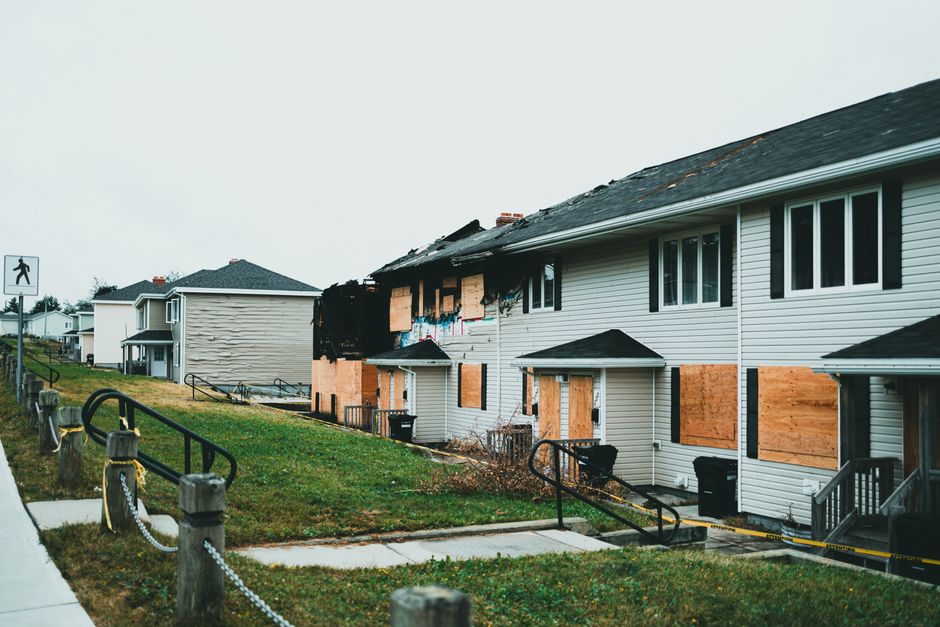
If you are renovating a property, dealing with probate, or waiting for a long-term sale to complete, the clock is ticking on your standard home insurance policy. Most homeowners are unaware that general buildings and contents cover imposes strict limits—often just 30 to 60 days—on how long a property can be left vacant before certain coverage is voided. Relying on basic cover past this period leaves your most valuable asset dangerously exposed, which is why specialist home insurance for unoccupied properties uk 2026 has seen a massive surge in demand.
Standard vs. Specialist Cover: Understanding the Limits
The UK market is currently seeing the highest number of long-term empty homes in over a decade, with figures reaching over 300,000 vacant properties in late 2025. This trend confirms that specialist vacant property cover is no longer a niche product, but a mainstream requirement. The fundamental difference lies in the insurer’s risk calculation and the conditions they impose. Claims from vacant properties are significantly higher because small issues, like a slow leak, go unnoticed for weeks, leading to catastrophic damage.
Below is a comparison of the key policy features that differentiate standard home insurance from specialist unoccupied property cover.
| Feature | Standard Home Insurance | Specialist Unoccupied Insurance |
|---|---|---|
| Maximum Unoccupied Days | 30 to 60 days typically | Up to 12 months or longer |
| Key Perils Often Excluded | Theft, malicious damage, escape of water | Cover available, but subject to strict compliance rules |
| Risk Assumption | Low (assumes daily occupation/management) | Higher (requires formal management and security) |
| Mandatory Inspections | None specified | Requires documented inspections, often every 7–14 days |
Managing Risk: The Water Damage and Compliance Trap In 2026, finding suitable unoccupied cover is primarily about demonstrating active risk management to the insurer. The biggest financial threat to vacant properties is internal water damage, which accounted for over 42% of property claims in recent reporting years across the UK. Because no one is present to turn off the stopcock or report a burst pipe immediately, the resulting damage can be devastating.
To mitigate this high risk, specialist home insurance for unoccupied properties uk 2026 will impose stringent requirements that must be met to keep your policy valid.
- Regular Inspections: You must arrange for documented, physical checks of the interior and exterior of the property. These checks are typically mandated every seven days or, in some winter months, every 14 days.
- Utility Requirements: Insurers often require you to drain the water system and turn off the utilities (water, gas, and electricity) at the mains unless the heating is set to maintain a minimum temperature. This is critical during winter to prevent freezing and burst pipes.
- Security Measures: All windows and doors must be securely locked and protected. For long-term vacancies or high-risk areas, insurers may demand certified burglar alarms or even professionally managed security. Failure to adhere to the mandated inspection schedule or utility requirements can result in your claim being rejected, regardless of the policy being in force.
Calculating Rebuild Costs and Navigating Premiums
The cost of your unoccupied home insurance will reflect the length of vacancy, the property’s value, and its location. For well-managed risks, some basic policies started from just £172.69 annually for buildings and liability in late 2025. However, regional variation is extreme. London properties, for example, typically face premiums 50-100% higher due to elevated crime rates, complex building structures, and increased squatting risks.
The Hidden Financial Threat of Underinsurance
When insuring an empty property, the risk of underinsurance is heightened. Industry data suggests that as many as 76% of UK properties may be underinsured, typically because the owner confused the property's market value with the actual rebuild cost. The rebuild cost is the amount needed to demolish the existing structure and rebuild it from scratch, which is the figure your buildings insurance must cover.
The danger lies in the 'Average Clause'. If your empty property is insured for £300,000, but the true rebuild cost is £400,000 (25% underinsured), the insurer may only pay 75% of any claim you make. Given that claims for vacant homes are often high severity (fire, major flood), this financial shortfall can be catastrophic. Always use resources from the Royal Institution of Chartered Surveyors (RICS) or the Building Cost Information Service (BCIS) calculator to verify your rebuild cost.
Unique Insight: The Rise of Specialist Exclusions The current soft property insurance market sees carriers competing aggressively on price. However, insurers offering the cheapest unoccupied policies are increasingly applying higher excesses or outright exclusions for specific risks in their basic cover tiers, particularly for long-term vacancies (181+ days). While basic cover may protect against Fire, Lightning, Earthquake, and Explosion (FLEE), it frequently excludes Escape of Water or Accidental Damage, even if the policyholder complies with the inspection rules. You must scrutinise the policy wording to ensure high-risk perils, not just FLEE, are covered under your chosen unoccupied property insurance.
Why does standard home insurance not cover unoccupied properties in 2026? Standard home insurance policies cease or severely restrict cover, typically after 30 to 60 consecutive days of unoccupancy, because the risk of theft, vandalism, and undetected damage like burst pipes significantly increases. Claims for vacant properties are often twice as costly, necessitating specialist cover.
What specific policy requirements apply to home insurance for unoccupied properties uk 2026? Specialist policies often require mandatory, recorded physical inspections, usually every seven to 14 days, to ensure compliance. Insurers may also require the policyholder to drain the water system and turn off utilities to mitigate the risk of escape of water claims during winter months.
How much does home insurance for unoccupied properties UK 2026 typically cost? The cost is significantly higher than standard cover due to the elevated risk. Prices vary widely based on location and rebuild value, but some basic policies start from approximately £14.39 per month, according to late 2025 industry data. London properties may face premiums 50-100% higher than the UK average.
What is the ‘Average Clause’ risk for vacant properties? The 'Average Clause' allows an insurer to proportionally reduce a claim payout if the property is underinsured. Since up to 76% of UK properties are underinsured, this risk is critical for vacant buildings where a major loss, like fire or flood, could result in a massive shortfall for the homeowner.
How long can a property be left empty before specialist cover is needed? Most standard UK home insurance policies specify a limit of 30 or 60 consecutive days of unoccupancy before key protections, especially for theft and escape of water, are voided. If you expect a property to be empty for longer than this limit, specialist home insurance for unoccupied properties uk 2026 is required.
Finding reliable cover for a vacant property in 2026 is complex, demanding full compliance with inspection and maintenance clauses to protect your investment. Never assume your standard policy covers extended periods of vacancy, even when renovating. Start comparing specialist policies for your vacant property on UtterlyCovered.com today to ensure comprehensive protection.
Andrew Myers is an insurance industry analyst and comparison specialist with 15 years' experience covering UK insurance markets. Data sourced from ABI, FCA, and ONS 2024-2025 reports.
Ready to Compare Home Insurance?
Compare quotes from 130+ UK insurers in seconds. No paperwork, no pressure.
About the Author: Andrew Myers is an FCA-registered insurance adviser with 15 years' experience analysing UK insurance markets. Data sourced from ABI, FCA, and ONS reports.