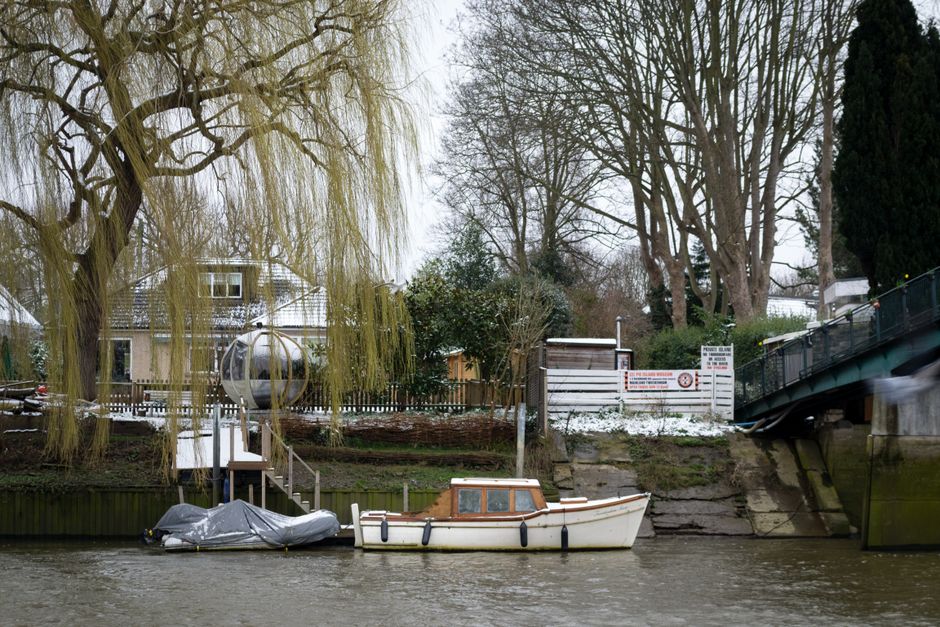
Living on the water offers a unique lifestyle, but it comes with distinct insurance challenges that differ completely from standard bricks-and-mortar cover. When a vessel is your permanent residence, finding true home insurance for permanently moored houseboats uk 2026 is essential. Standard buildings and contents policies simply will not protect your floating home against marine-specific risks like sinking, salvage, or navigation liability. It is critical to secure specialist coverage designed specifically for inland waterways and residential use, often referred to as live-aboard or floating home insurance.
Understanding Specialist Houseboat Cover
You cannot rely on a traditional homeowner’s policy because the risks associated with a boat are fundamentally different from those of a fixed property. Specialist cover packages combine marine hull insurance with residential coverage to address both aspects of your floating home. These policies are designed to cover everything from the craft itself to the personal items inside.
This specialist cover typically combines two mandatory elements with several crucial optional extras. The minimum requirement set by navigation authorities is third-party liability. For a permanent residence, the necessary component is the live-aboard extension.
Third-Party Liability: The Non-Negotiable Minimum
The first and most critical component of any houseboat policy is third-party liability insurance. While boat insurance is not a legal requirement across the board, the Canal & River Trust (CRT) mandates at least £2 million in third-party liability cover before issuing a licence for powered vessels or houseboats. This compulsory coverage protects you against claims if your vessel causes damage, injury, or death to another person or their property.
Many specialist providers offer a higher level of liability as standard, typically ranging from £3 million to £5 million. If you moor in a marina or use specific harbours, these bodies will also demand proof of adequate third-party insurance before granting access or membership. Ignoring this requirement is dangerous, as boat owners are often held liable with their entire assets for damages caused.
Core Coverage Components for Floating Homes
When purchasing home insurance for permanently moored houseboats uk 2026, you need a policy that operates almost like a combined buildings and contents package, but tailored for a vessel. These specialist policies generally cover the following: Hull Insurance (Buildings): This covers the physical structure of your houseboat against major perils. This includes damage caused by fire, lightning, explosion, weather events (storms, flooding), theft, and vandalism. It is crucial that the sum insured reflects the actual cost of replacing the vessel, not its market value. Contents Cover (Personal Possessions): This protects your household items, furniture, and electrical goods inside the floating home. One provider specifically mentions contents cover up to £75,000 as an optional extra. Live-Aboard Extension: This is vital for permanent residents. It extends your policy to cover residential risks and typically includes alternative accommodation costs if your houseboat is damaged beyond immediate use. Lifting, Hauling, and Launching: Unlike traditional homes, a houseboat sometimes needs to be lifted for maintenance or following an incident. Comprehensive policies include cover for accidental damage while the vessel is in transit or undergoing these operations.
Key UK Specialist Providers and Offerings
You will find that well-known UK home insurance providers like Aviva or AXA do not offer this specialist cover directly. Instead, you need marine insurance brokers or specialist floating home providers.
Here is an overview of popular providers and their coverage specialisms:
Navigators & General (N&G): Specialises in Inland Waterways policies. Offers £3 million third-party liability as standard. Includes a live-aboard and contents cover extension. Occasional UK coastal use (up to 30 days) may be permitted at no extra charge.
- Assist Insurance Services: A leading provider of live-aboard insurance. Offers cover for the floating home and its pontoon. Key benefits include alternative accommodation, freezer contents cover, and optional public liability increase to £5 million.
- GJW Direct: Offers specialist narrowboat, barge, and houseboat insurance. Provides a 24-hour emergency claims helpline and marina scheme benefits if you moor in a recognised UK marina. They were awarded Best Specialist Insurance Provider 2025 at the Smart Money People Awards.
- InsureMy: Provides houseboat insurance with an average annual cost of around £200 for basic policies. Covers key perils like fire, theft, and storm, alongside up to £3 million public liability.
The Unique Insight: Market Value vs. Marine Risk A crucial distinction when obtaining home insurance for permanently moored houseboats uk 2026 is the valuation method. While standard UK home insurance insures a property based on its rebuild cost, floating home insurance must factor in unique marine risks. You should not insure your houseboat for its market value, which includes the value of the mooring, but for the actual cost of demolition, salvage, and rebuilding the vessel.
The largest financial risk for a vessel is salvage after an incident, which can be expensive and complex. This means policies often include explicit conditions regarding the condition of the craft, requiring marine surveys before inception or renewal. Insurers will also scrutinise the mooring location, as high-risk flood areas directly impact policy pricing. Securing the right cover involves assessing marine risks, not just traditional property risks.
Pricing Factors and Policy Duration
The average cost for standard houseboat insurance is cited at approximately £200 annually. However, this figure will increase significantly when adding comprehensive hull cover, contents cover, and the live-aboard extension.
Factors that most heavily influence your final premium include:
- Vessel Value and Age: Newer, higher-value vessels generally cost more to insure due to higher replacement costs. Older boats may require more stringent survey conditions.
- Mooring Location: Premiums vary based on the specific marina or waterway, with some providers offering marina scheme benefits. High-risk areas for storm damage or flood may incur higher costs.
- Claims History: Like car insurance, your no claims bonus is considered, with some providers offering protection or discounts. Many insurance providers require annual payment, though some may offer monthly instalments. You must ensure that the policy duration matches your residential requirements, particularly if your live-aboard status changes throughout the year.
Is standard home insurance valid for a permanently moored houseboat? No, standard home insurance policies do not cover houseboats, even if the vessel is your permanent residence. You require specialist marine or floating home insurance designed for the unique risks of a vessel, such as sinking, salvage, and navigating waterways. These policies combine hull cover with residential coverage for internal contents and liabilities.
Is houseboat insurance legally mandatory in the UK in 2026? Insurance itself is not a strict legal requirement, but third-party liability cover is mandatory for licensing. The Canal & River Trust (CRT) requires owners of powered boats or houseboats to have at least £2 million in third-party liability insurance to obtain a boat licence. Many marinas also enforce this minimum coverage level.
What is the average cost of houseboat insurance in the UK in 2026? According to industry data, the average annual cost for basic houseboat insurance sits around £200. However, comprehensive liveaboard policies will be higher, with the final premium dependent on the boat's value, age, and claims history. Premiums are lower for third-party-only cover than for full hull and contents policies.
What is 'live-aboard' cover and why is it important? Live-aboard cover is an essential extension for anyone using their vessel as a permanent home. It ensures your policy includes coverage for household contents and provides for alternative accommodation costs if your houseboat is damaged and rendered uninhabitable following a valid claim. This differentiates residential policies from those intended purely for leisure use.
Do I need a marine survey to get houseboat insurance? Most specialist marine insurers require a marine survey for older or high-value houseboats to confirm their current condition. Survey findings directly impact the policy terms and price, as they reveal potential defects that could increase risk. Always check the specific requirements of the chosen insurer, as this is standard practice in the marine insurance sector.
Finding the appropriate cover for a floating home requires looking beyond generic comparison sites to engage with specialist marine insurers. Do not risk underinsurance; ensure your policy includes adequate third-party liability and comprehensive live-aboard cover that protects your contents and provides alternative accommodation. Start comparing quotes for your floating home today to find the right home insurance for permanently moored houseboats uk 2026 on UtterlyCovered.com.
Andrew Myers is an insurance industry analyst and comparison specialist with 15 years' experience covering UK insurance markets. Data sourced from ABI, FCA, and ONS 2024-2025 reports.
Ready to Compare Home Insurance?
Compare quotes from 130+ UK insurers in seconds. No paperwork, no pressure.
About the Author: Andrew Myers is an FCA-registered insurance adviser with 15 years' experience analysing UK insurance markets. Data sourced from ABI, FCA, and ONS reports.