

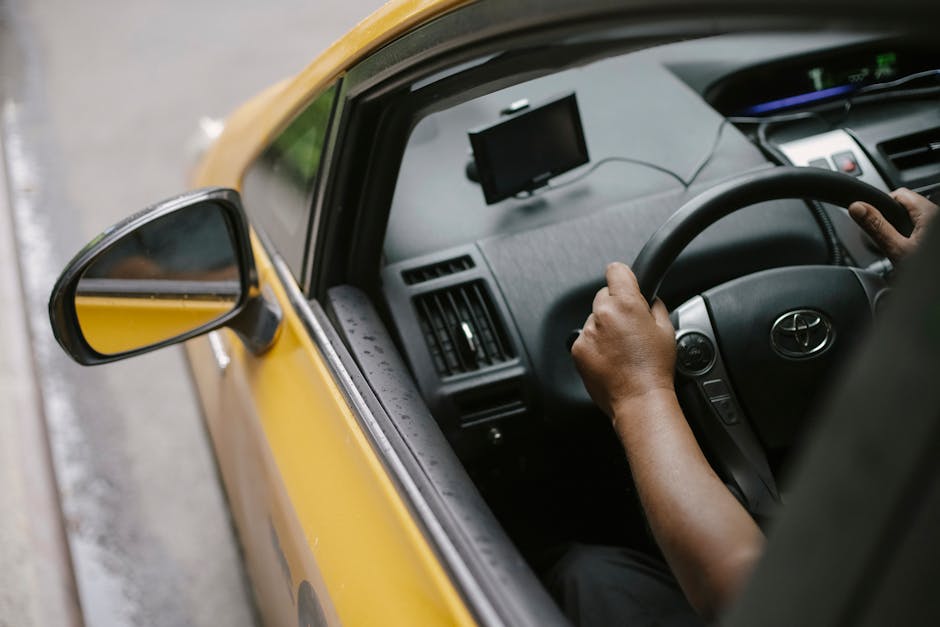
Car Insurance for Urban Drivers with Parking Permits UK 2026
Navigating the UK car insurance market is rarely straightforward, but it presents unique hurdles for those living in busy urban centres. If you rely on a residential parking permit for on-street parking, you are likely already familiar with the additional annual costs imposed by local councils. When these local charges are combined with insurance premiums that disproportionately penalise high-density postcodes, the financial impact becomes significant.
Finding affordable car insurance for urban drivers with parking permits UK 2026 requires more than just picking the cheapest quote. It demands a sophisticated understanding of how insurers calculate your specific risk profile in an environment where your vehicle remains vulnerable on the street. This guide breaks down the market realities for 2026 and provides actionable strategies to lower your outgoings.
The Cost of Urban Parking and Insurance Risk
Insurers assess risk using vast amounts of data, and where you leave your vehicle overnight is a primary rating factor. When you declare that you park on the street with a permit, you immediately signal to the provider that your car is exposed to higher risks. Urban areas face greater rates of vehicle theft, accidental damage from passing traffic, and potential vandalism compared to quieter, suburban residential zones.
Parking on a private driveway or in a secure garage can reduce your annual insurance premium by up to 24% compared to on-street parking. While many urban residents lack access to private off-street parking, being transparent with your insurer about your specific parking situation is vital. Never misrepresent your parking location, as doing so could invalidate your cover in the event of a claim.
Understanding the "Urban Premium" in 2026
The national average premium for comprehensive car insurance sits at approximately £560 to £726 in early 2026, depending on the index you consult. However, these figures rarely reflect the reality for city dwellers in hubs like London, Manchester, or the West Midlands. Drivers in Inner London postcodes frequently face average premiums exceeding £1,100, largely due to the high density of vehicles and associated accident risks.
The FCA pricing reforms, introduced in 2022, prevent insurers from charging existing customers more than new customers for equivalent cover. While this change successfully eliminated the worst "loyalty penalties," it did not magically lower premiums across the board. Insurers remain under pressure from record-high repair costs, which rose significantly in 2025 and continue to strain margins in 2026.
Provider Highlights for Urban Motorists
When searching for cover, comparing different providers is essential because they use distinct algorithms to weigh postcode risks. Some insurers are more specialised in urban risk assessment than others.
Admiral Admiral is widely recognised for its multi-car discount structure, which can be an excellent option for households with multiple vehicles, even in high-risk postcodes. Their comprehensive policies are often competitive for drivers looking for a balance of cost and coverage.
LV= LV= consistently scores highly for customer satisfaction and claims handling, which is a major advantage if you are worried about the complexities of making a claim in a busy city. They offer high-standard comprehensive policies that may include features like an uninsured driver promise as standard.
Aviva Aviva remains a dominant force in the digital space, offering robust coverage that is well-suited for modern, tech-laden vehicles. Their digital claims process is increasingly efficient, which can reduce the stress often associated with urban traffic incidents.
Leveraging Telematics to Offset Postcode Risk
If your urban postcode is driving up your premium, a telematics policy might be your most effective tool for cost reduction. Also known as "black box" insurance, these policies use technology to monitor your actual driving habits—including speed, braking, and mileage—rather than relying solely on your postcode's statistical risk.
For many urban drivers, the postcode is the "locked-in" variable they cannot change. Telematics allows you to prove your own driving is safer than the average in your area. By consistently demonstrating safe driving behaviours, you can effectively decouple your premium from the high-risk statistical averages applied to your neighbourhood.
Unique Strategy: The Dashcam and Security Factor While standard advice focuses on "shopping around," urban drivers should consider proactive security measures. If you must park on the street, fitting an insurer-approved alarm or immobiliser is non-negotiable for high-value vehicles.
Unique to the urban market in 2026, some insurers are beginning to look more favourably upon drivers who use dashcams. While not always a guaranteed discount factor, having a dashcam provides clear evidence of your driving style and events on the road. If you are ever involved in a non-fault accident in a congested city, this evidence is invaluable for claims processing and protecting your no claims bonus (NCB).
Does having a residential parking permit affect my car insurance premium? Insurers view on-street parking via a permit as higher risk than a private driveway or garage. Your premium calculation reflects the increased risk of theft, vandalism, and accidental damage associated with urban on-street parking.
Why do urban drivers pay more for car insurance in 2026? Urban postcodes have higher rates of congestion, theft, and traffic incidents. These factors result in higher claims frequency and severity, which insurers pass on to drivers in those specific regions.
Can telematics help lower insurance costs for urban drivers? Yes, telematics policies monitor your specific driving habits. If you drive cautiously and avoid high-risk hours or routes, you can demonstrate that your personal risk is lower than the regional average, potentially lowering costs.
Are car insurance prices stabilizing for city residents in 2026? While national average premiums have shown stability in early 2026, urban areas remain expensive. Claims inflation, driven by complex vehicle repairs and technology, continues to keep premiums high in densely populated cities.
Is it cheaper to park on the street with a permit or in a garage? Parking on a private driveway or in a locked garage is typically cheaper. Industry data shows that keeping your car off the street can reduce your annual insurance premium by up to 24% compared to on-street parking.
Finding the best policy as an urban driver requires balancing cost with the reality of your parking situation. The car insurance market in 2026 remains competitive, and you should not let a high renewal quote dictate your financial future. Use UtterlyCovered.com today to compare quotes from trusted providers and secure the right protection for your specific driving needs.
Andrew Myers is an insurance industry analyst and comparison specialist with 15 years' experience covering UK insurance markets. Data sourced from ABI, FCA, and ONS 2024-2025 reports.
Ready to Compare Car Insurance?
Compare options from a range of UK insurers. No paperwork, no pressure.
About the author
UtterlyCovered Editorial Team. Content produced by UtterlyCovered for general information about UK insurance.
Questions or corrections? Contact us.




