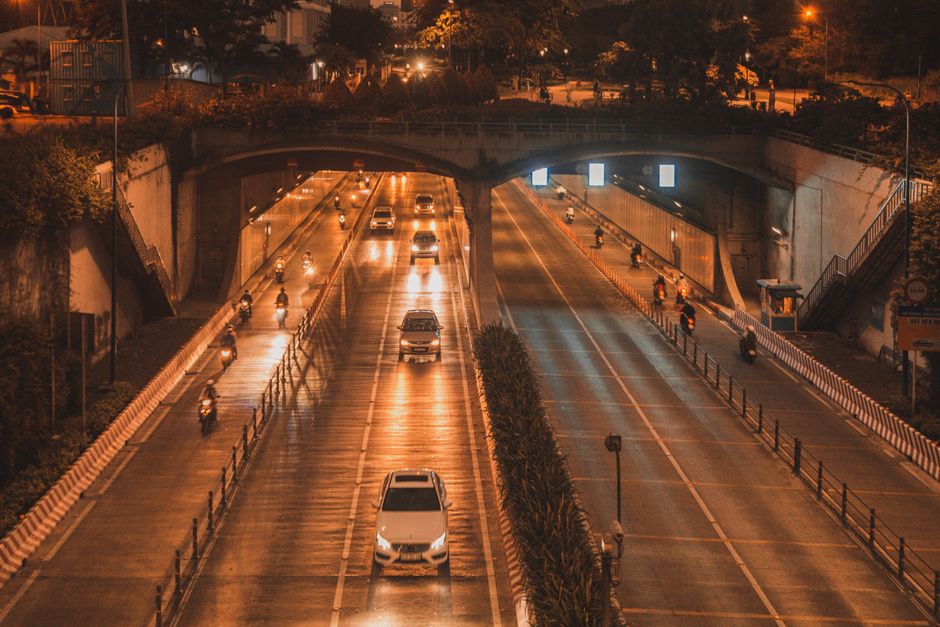
Car Insurance for Vehicles Stored in Communal Underground Car Parks UK 2026
Finding suitable car insurance for vehicles stored in communal underground car parks UK 2026 requires understanding how your parking setup influences risk. While these spaces are often gated and sheltered, they present a unique risk profile that underwriters assess closely.
For many city dwellers, these facilities are a primary benefit of modern living. However, insurers view the transition from public street parking to private underground spaces as a significant factor in your overall premium calculation.
Understanding the Risk Profile
Insurers classify parking based on the potential for theft, vandalism, and accidental damage. Communal underground areas often sit between the low risk of a private garage and the high risk of public street parking.
The most significant factor insurers consider for communal parking is the level of access control. A facility with active CCTV and robust electronic gates is viewed much more favorably than an open, unmonitored garage.
Poorly lit or isolated car parks can increase your vulnerability, which may be reflected in your quote. Always confirm the security features of your specific facility before finalizing your application to ensure accurate risk assessment.
Parking Location Comparison Overview
Because standard table layouts are not used here, consider the following risk profile breakdown for your comparison:
- Locked Private Garage: Typically the lowest risk for theft, though premiums can be affected by the size of the garage and ease of entry.
- Communal Underground Car Park: Often viewed as medium risk; relies heavily on CCTV, gate quality, and lighting.
- Private Driveway: Frequently considered low risk; insurers appreciate that you are parking off-street and under your own control. On-Street (Near Home): Generally considered the highest risk due to exposure to passing traffic and opportunistic crime. Industry data suggests that securing your vehicle in a well-managed communal garage can act as a counterbalance to rising insurance costs. While the convenience is clear, ensuring your documentation accurately reflects the security level of your specific car park is crucial.
Regulatory Impact and Your Policy
The Financial Conduct Authority (FCA) continues to emphasize the importance of consumer understanding in 2026. This means insurers are under greater pressure to explain how specific parking locations influence your premium calculation.
If your parking situation changes, you are legally obligated to inform your insurer. Failing to update your details can lead to complications if you need to make a claim for damage or theft.
Last year’s figures showed that misrepresenting your parking location is a common reason for claim disputes. Always ensure your "statement of fact" matches your actual daily habits.
Disclosure and Avoiding Fraud
When applying for cover, you might be asked to select your overnight parking from a list. Avoid the temptation to guess or choose the "most secure" option if it does not actually apply to your situation.
Deliberate misrepresentation of your parking location is grounds for insurers to void your policy entirely. If an incident occurs, an insurer may check site conditions to verify your declaration.
If your car park has variations in security, such as an automatic gate that often stays open, note this down. Providing transparent information is your best defense during the claims process.
Does an underground garage guarantee cheaper car insurance premiums in 2026? Not necessarily. While they offer security, insurers also consider the increased risk of accidental damage from maneuvering in tight spaces, which can lead to higher premiums for some drivers.
Do I need to disclose communal underground parking to my insurer? Yes, you must be accurate. If your policy states you park in a secure garage but you actually leave your car on the street, your claim could be rejected.
What makes a communal underground car park 'secure' in the eyes of an insurer? Insurers look for specific features such as electronic gated access, active CCTV surveillance, motion-activated lighting, and limited pedestrian access.
Is it considered insurance fraud if I misstate my parking location? Yes, deliberately misrepresenting your overnight parking location is considered insurance fraud. This can lead to your policy being voided and claims being rejected.
How can I lower my car insurance costs for underground parking? You can lower costs by verifying the security of your car park, installing Thatcham-approved vehicle security, and shopping around annually for providers that recognize your specific parking environment.
If your renewal is approaching, take a few minutes to evaluate your current coverage. Visit UtterlyCovered.com to compare the latest quotes and see if your parking location is being factored into your premium effectively.
Andrew Myers is an insurance industry analyst and comparison specialist with 15 years' experience covering UK insurance markets. Data sourced from ABI, FCA, and ONS 2024-2025 reports.
Ready to Compare Car Insurance?
Compare options from a range of UK insurers. No paperwork, no pressure.
About the author
UtterlyCovered Editorial Team. Content produced by UtterlyCovered for general information about UK insurance.
Questions or corrections? Contact us.